Get Free Consultation!
We are ready to answer right now! Sign up for a free consultation.
I consent to the processing of personal data and agree with the user agreement and privacy policy

We are ready to answer right now! Sign up for a free consultation.
I consent to the processing of personal data and agree with the user agreement and privacy policy
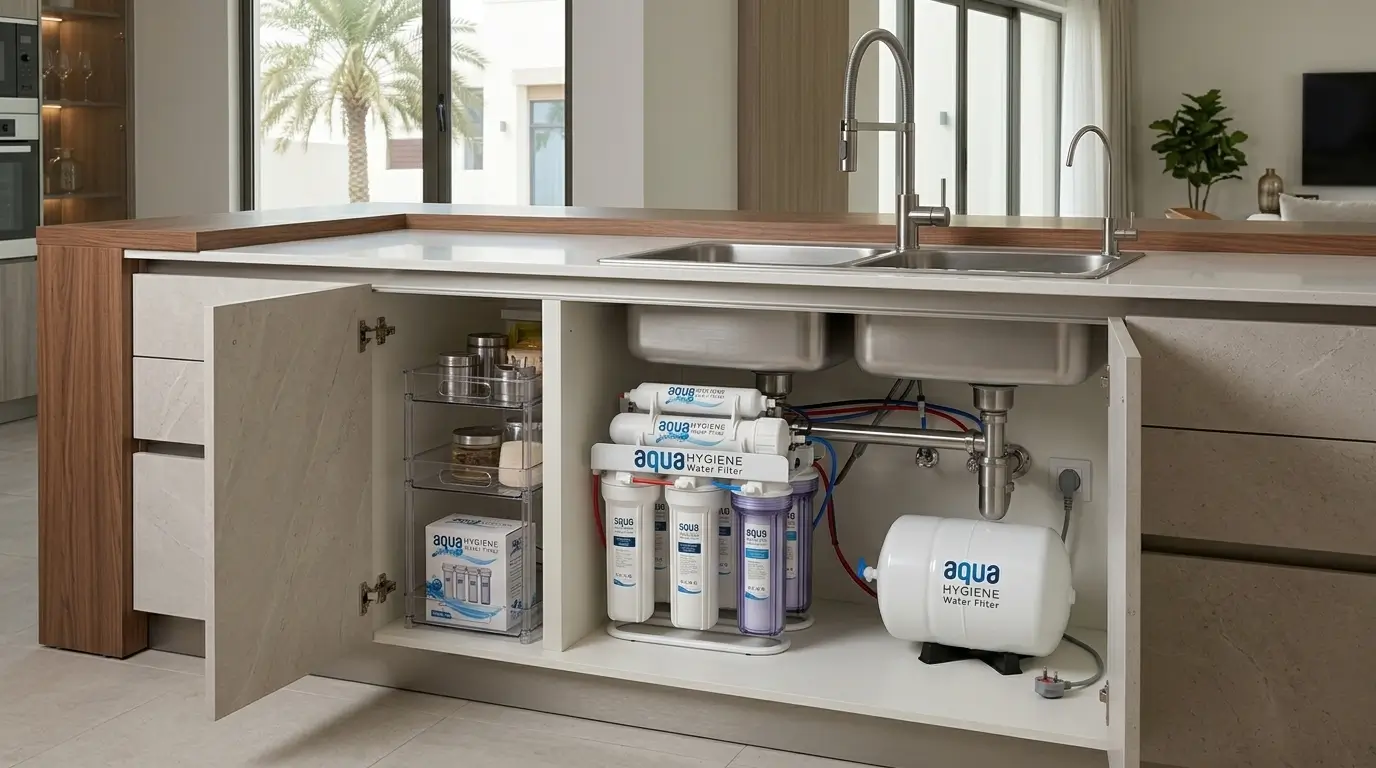
Ever wondered if the water from your tap is actually as clean as it should be? You're not alone. Most people rely on one water source without knowing what's really in it. A reverse osmosis system is one of the best ways to fix that.
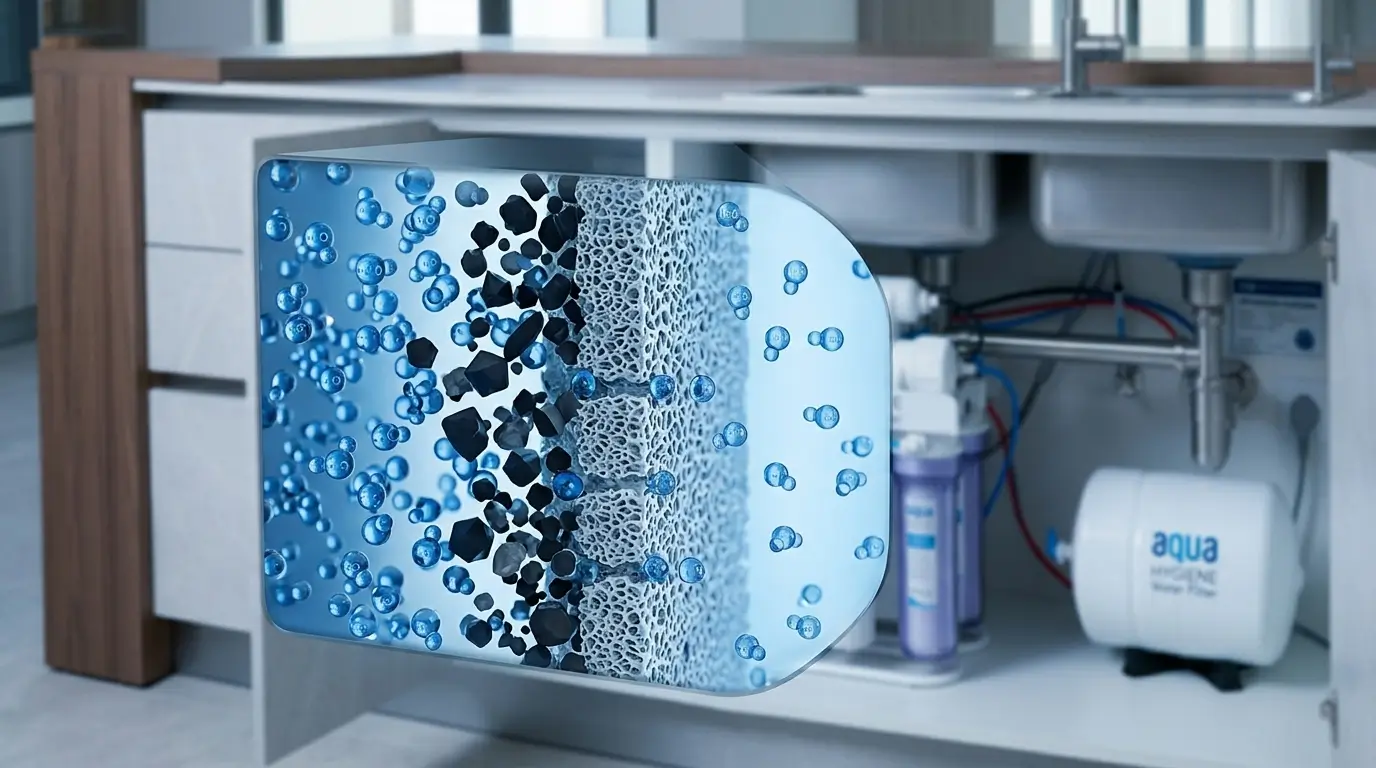
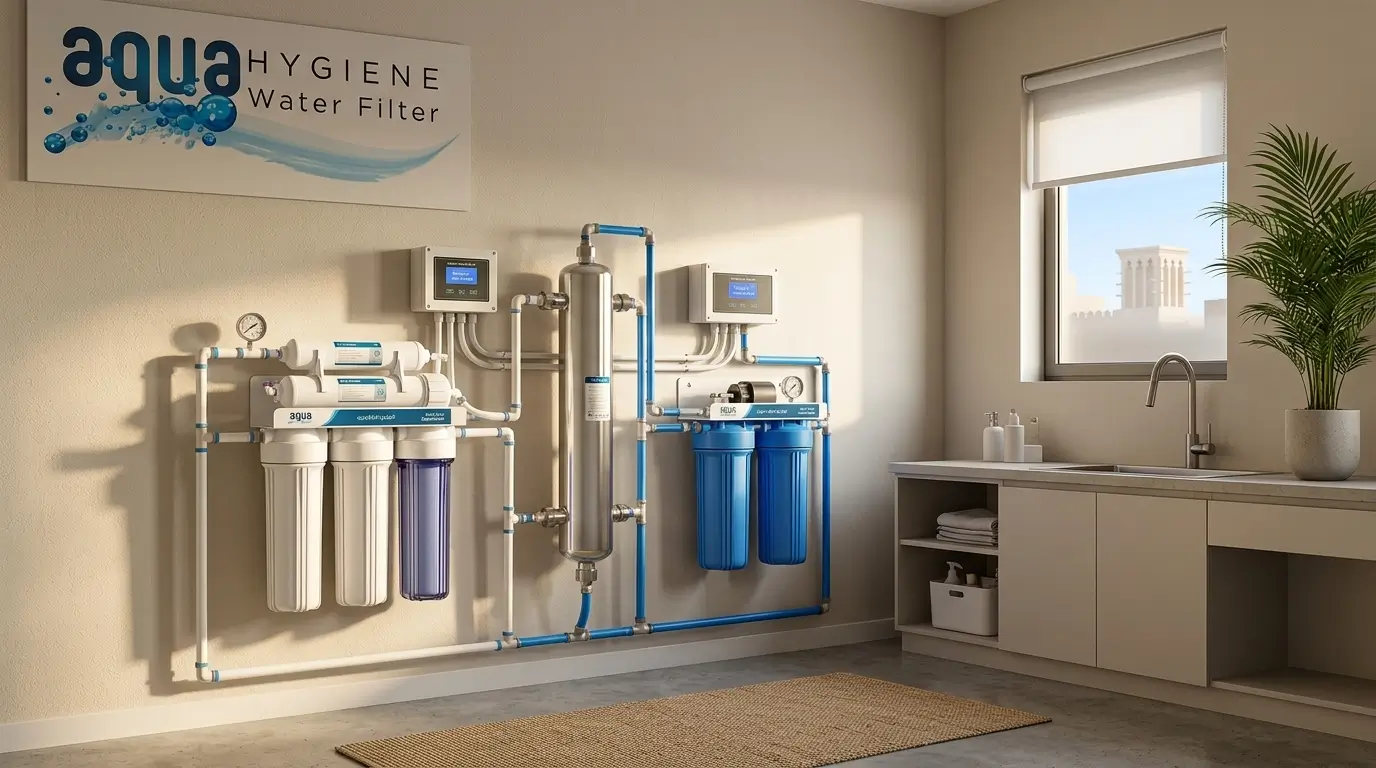
A reverse osmosis system filters water through a semi-permeable membrane. Think of it as a barrier fine enough to let water through while blocking most dissolved contaminants. Normally, water moves toward the side with more dissolved particles, trying to balance things out on its own. Reverse osmosis flips that. It uses pressure to push water the other way, forcing it through the membrane while everything else gets left behind. That's where the name comes from.
The result is water with far fewer dissolved solids, chemicals and particles than what went in.
Not sure how your own water measures up? A free water test and consultation shows you exactly what you're dealing with before you commit to a system.
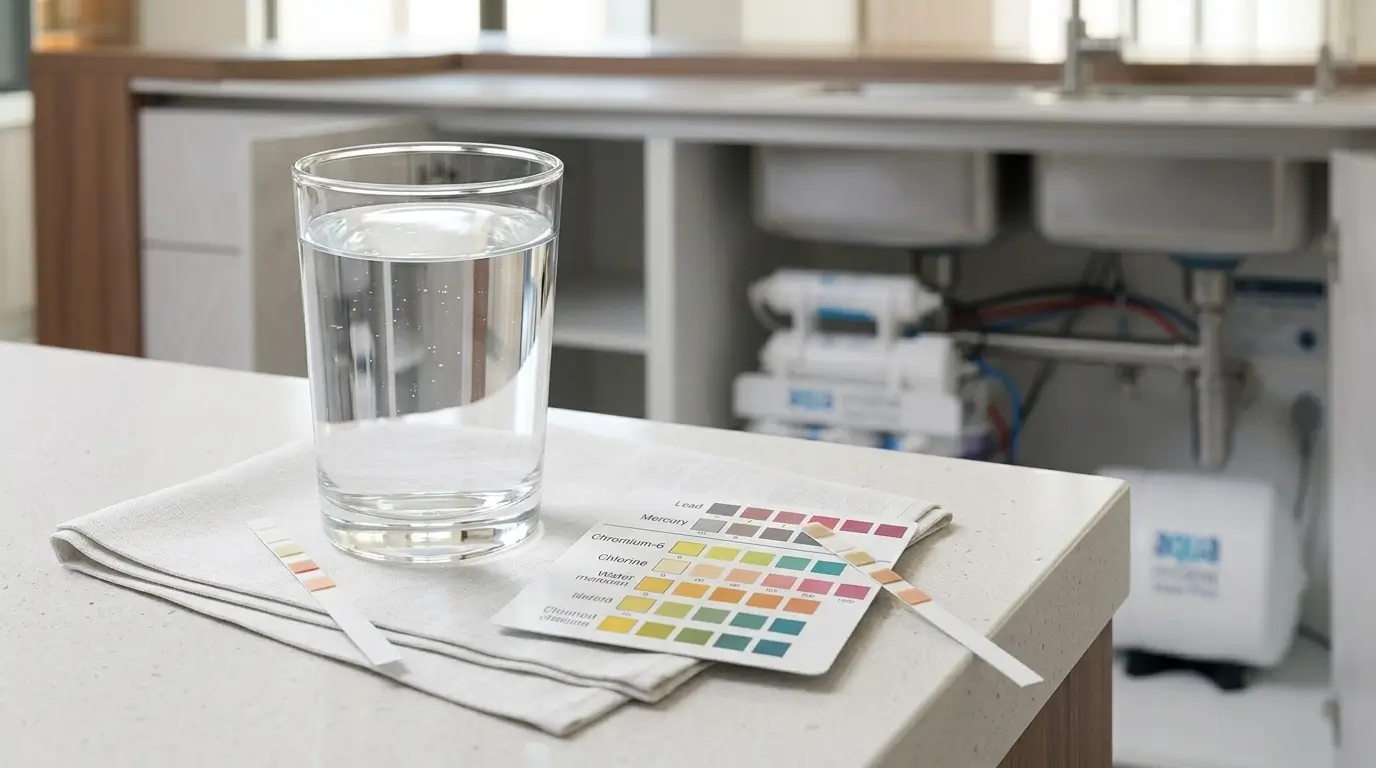
A typical RO system removes or reduces a wide range of substances, including:
RO membranes can reduce protozoa, bacteria and viruses too, but it's worth knowing the limits here. A standard RO membrane isn't usually certified as a standalone barrier against these microbes. If bacteria or viruses are a real concern in your water, pair your RO system with a UV disinfection stage. Don't rely on the membrane alone for that job.
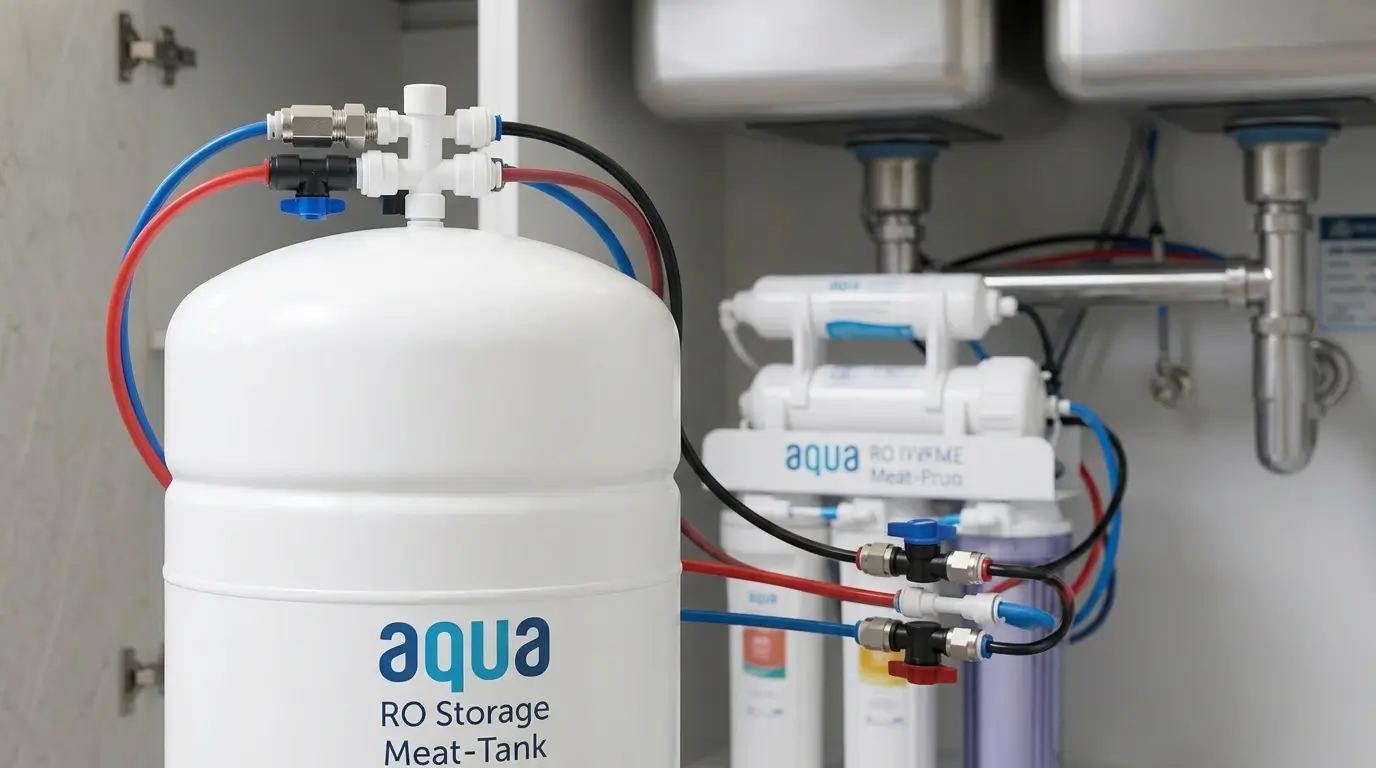
RO systems filter slowly. Water comes through drop by drop as it passes the membrane. A storage tank builds up a reserve over time. That way you've got water ready the moment you need it, instead of waiting on the membrane in real time.
The tank also manages pressure inside the system. Once it's full, a pressure sensing valve picks up on that and signals the system to shut off. This stops pressure from building up beyond what the system can handle.
Inside the tank sits an air chamber, kept separate from the water by a diaphragm. As water fills the tank, it compresses that air chamber. Air compresses easily, so this builds up pressure inside the tank. That pressure is what pushes water out to your faucet. No electric pump needed.
Tank sizes vary, but the number on the box isn't the same as usable capacity. Part of that space goes to the air chamber and diaphragm. So actual water storage tends to run a bit lower than the tank's listed size. Real capacity depends on feed pressure, the RO shutoff setting, and how the tank's pre-charged.
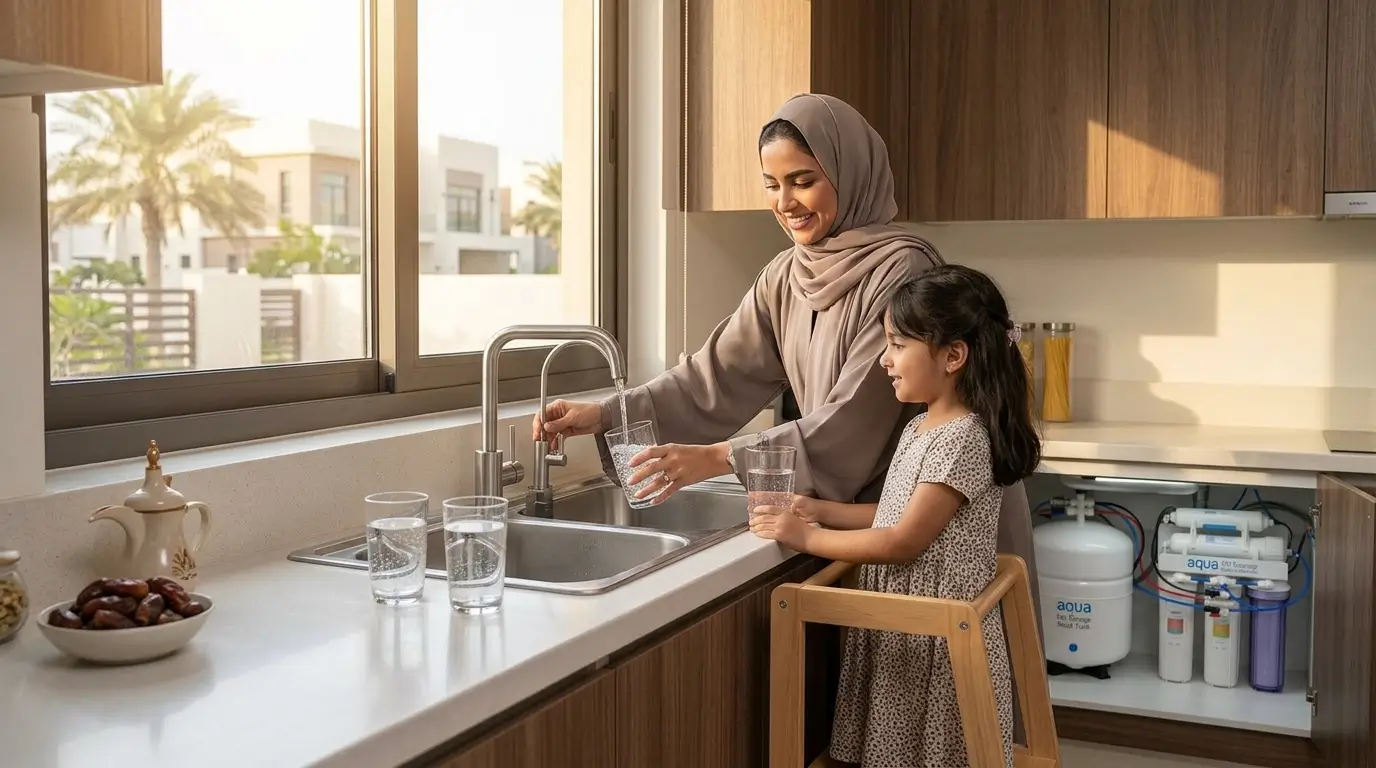
A well-maintained RO system cuts down things like pesticide residue, chlorine, arsenic, sodium and lead. That means noticeably cleaner water for drinking and cooking.
Removing dissolved contaminants tends to improve taste and smell too. You're not just getting safer water. You're getting water that's genuinely nicer to drink.
Lead is genuinely dangerous, especially for children. Sustained exposure has been linked to nerve damage, developmental issues, and long-term heart and kidney problems. An RO system is one of the more reliable ways to keep lead out of your drinking water.
Once it's installed at your sink, RO gives you purified water on demand. No more refilling pitcher filters or hauling bottled water home.
Not every product marketed as "reverse osmosis" performs the same way. Look for a system that's independently tested and certified for the specific contaminants you actually care about. Don't just take the marketing at face value.
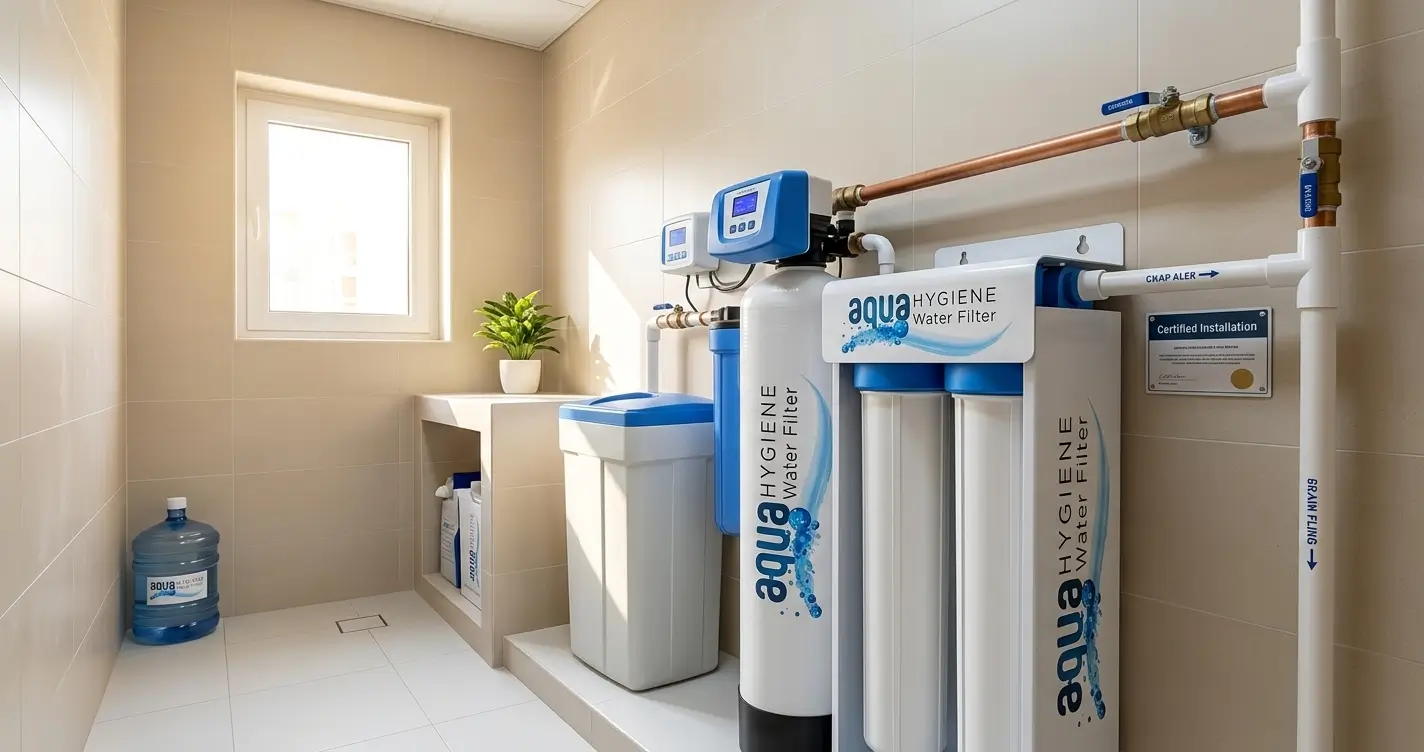
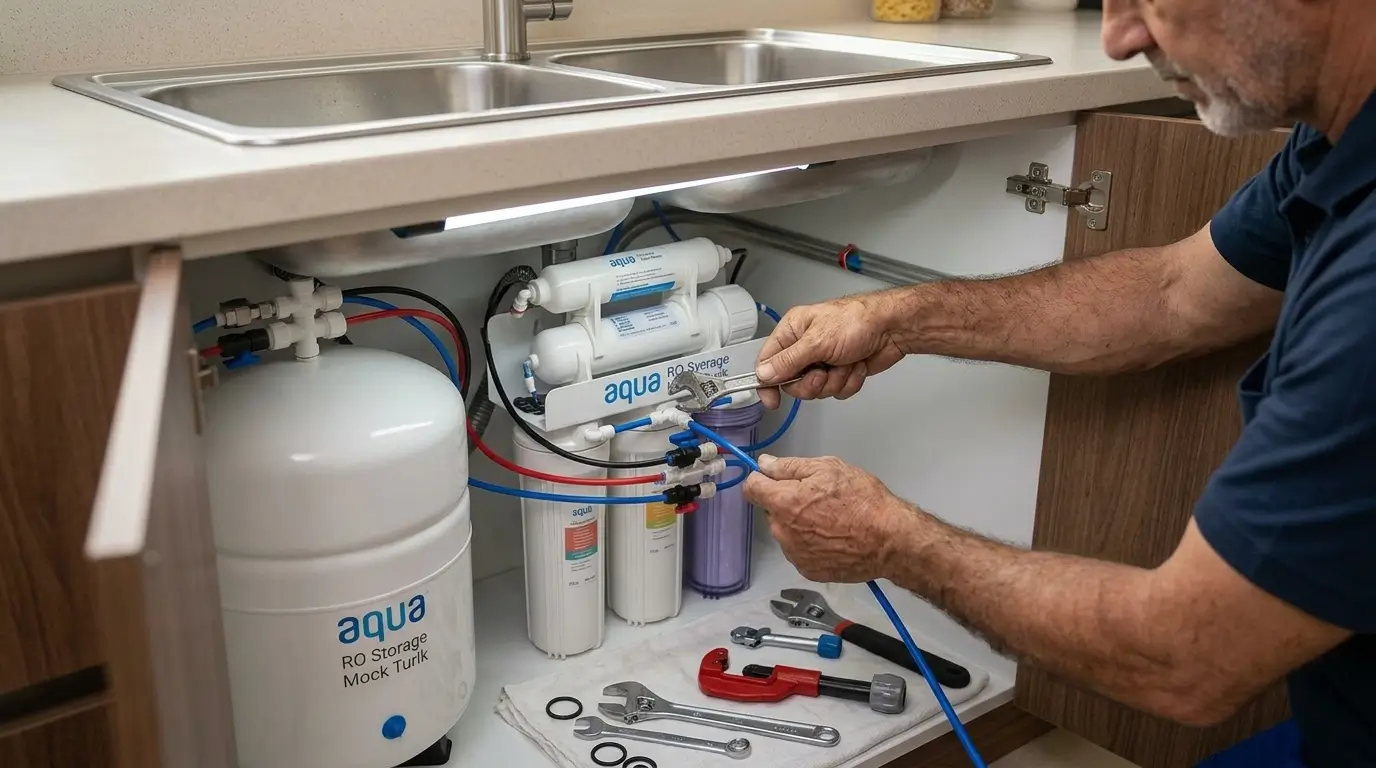
RO systems generally need licensed plumbing work to install correctly. Getting it right the first time avoids leaks and performance problems later.
A good system uses a quick-change filter design. Most providers can ship replacement filters straight to you, so staying on top of maintenance doesn't become a chore.
Booking an in-home water test gives you a much clearer picture than guessing. A proper consultation looks at your specific water quality and recommends a setup that actually matches it, rather than a one-size-fits-all system.
"Reverse osmosis" is often misapplied as a marketing buzzword, with performance ranging widely from one product to the next. Make sure the product you are looking at has been tested and certified to handle the contaminants found in your water.
Prefilters protect the RO membrane from chlorine and similar substances that can damage it over time. Miss a scheduled change and chlorine can break through, damaging the membrane. This often goes unnoticed until performance has already dropped.
Fitting an RO system usually means drilling into your countertop or sink and modifying your drain line. Plenty of people start this as a DIY project and end up calling a plumber partway through.
Storage tanks are often larger than a basketball. Add the manifold and other parts, and they can eat up a lot of space under your sink. That matters if you're tight on room already, or if a garbage disposal is competing for the same space.
A common complaint is reduced water pressure at the tap compared to an unfiltered line. Want to treat your whole home's water instead of dealing with one slower tap? A whole house filtration system is worth looking into as an alternative.
A reverse osmosis system is a genuinely effective way to cut contaminants out of your drinking and cooking water. That's true as long as it's properly certified, installed correctly, and kept up with maintenance. How much it actually removes depends on the specific system, the membrane, and your source water. It's worth getting your water tested rather than assuming one setup fits every home.
Ready to improve your water quality at home? Get in touch with Aqua Hygiene and we'll help you find the right system for your household.