Get Free Consultation!
We are ready to answer right now! Sign up for a free consultation.
I consent to the processing of personal data and agree with the user agreement and privacy policy

We are ready to answer right now! Sign up for a free consultation.
I consent to the processing of personal data and agree with the user agreement and privacy policy
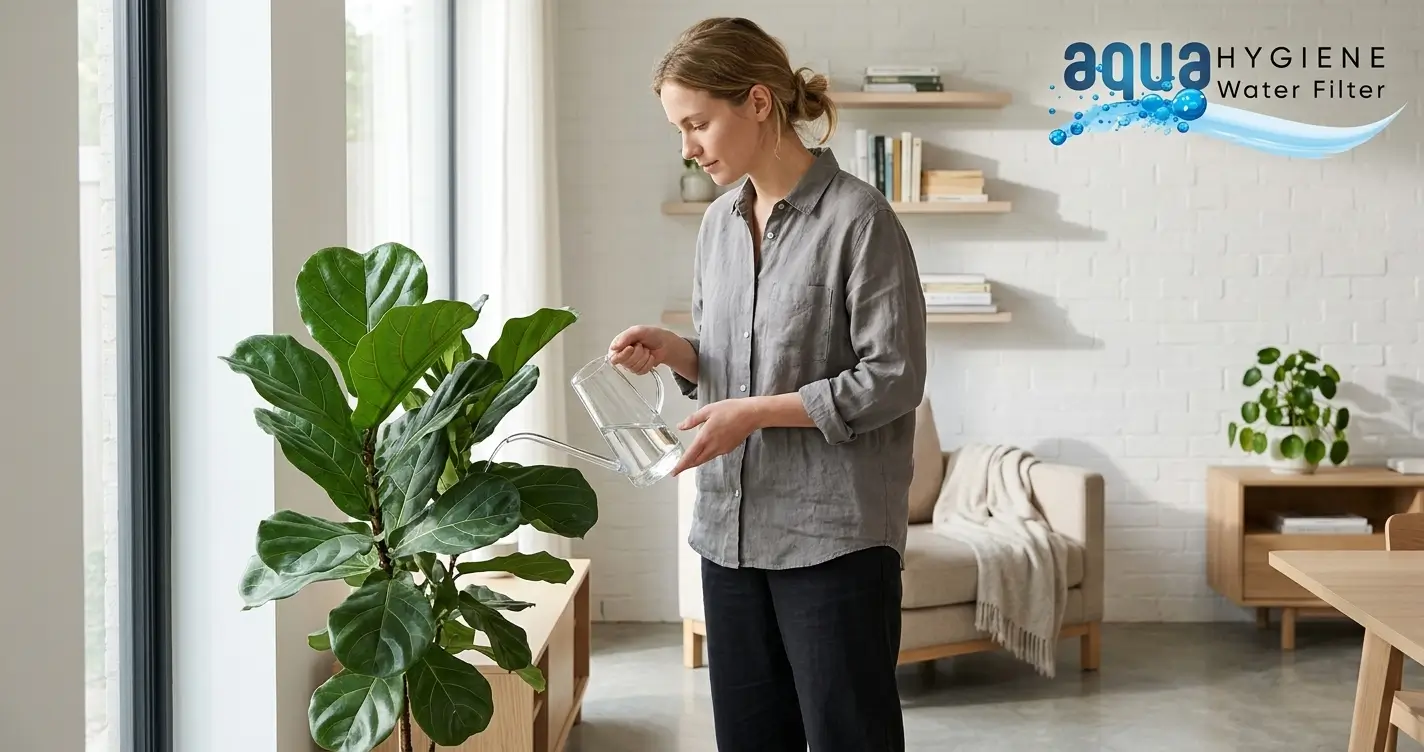
Most people water their plants without ever thinking about what's actually in the water. It's more important than one would think. Water that has been filtered can make a huge difference to the growth of your indoor plants, and it's a much simpler solution than most people realise.
Short answer: yes. Each plant is unique and some chemicals in tap water can work against the plants over time. Your plants won't necessarily show distress after one watering with unfiltered water, but impurities tend to build up gradually. That accumulation that can follow that plant's troubles without an apparent cause can be months down the line.
If you want to know exactly what's in your water before changing anything, a quick water test tells you a lot more than guessing. And if filtration turns out to be the right call, a reverse osmosis system handles most of what's covered below in one go.
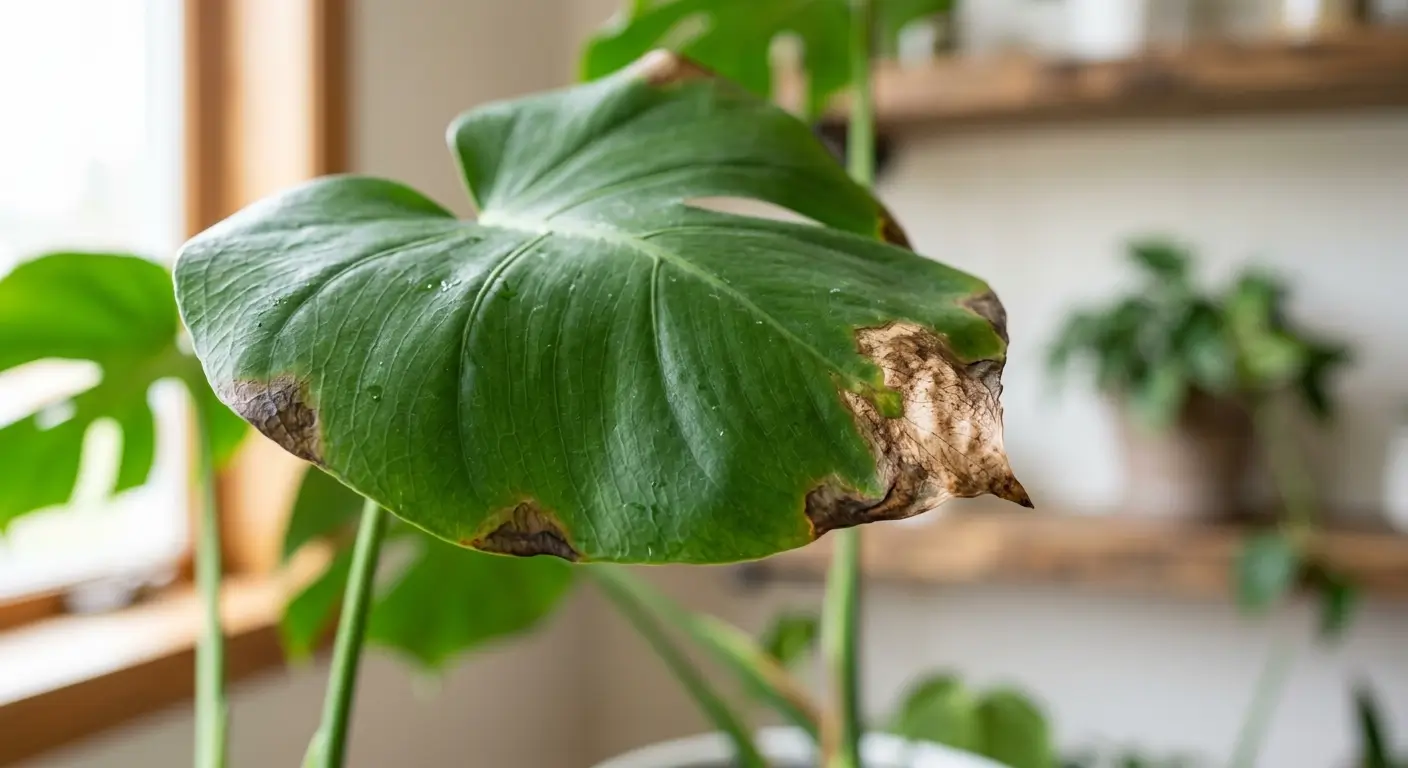
Water is disinfected with chlorine, but plants are sensitive to it and can be damaged if exposed to it on a regular basis over time. An activated carbon filter deals with this well, or you can let chlorinated water sit uncovered for a day or so to let it off-gas naturally. Chloramine is more difficult to remove and typically requires a catalytic carbon filter instead of regular carbon.
Tap water may contain lead, iron, copper, typically from old pipes and fittings, not the water source. They require an appropriate filtration media and system to effectively remove them, most of them cannot be removed with just carbon.
Some water supply companies may also include fluoride in their water to improve dental health, which is good for humans, but some plants are very sensitive to fluoride. Once fluoride damage occurs, tips of leaves turn brown and do not heal, especially on dracaena plants. A reverse osmosis filter is an effective method to filter out fluoride, and if you prefer to not use a filter, rain water or dehumidifier water are naturally free of fluoride.
Nitrates are actually good for plants in the right amount, they're a core ingredient in most fertilisers. The issue is that if tap water already has nitrates from farm runoff, why add fertiliser to it? Excessive nitrogen can burn leaves, lure insects, and cause excessive leaf growth over flowers or fruit. If this is a concern for you, reverse osmosis filtration is the most reliable means of removing nitrates.
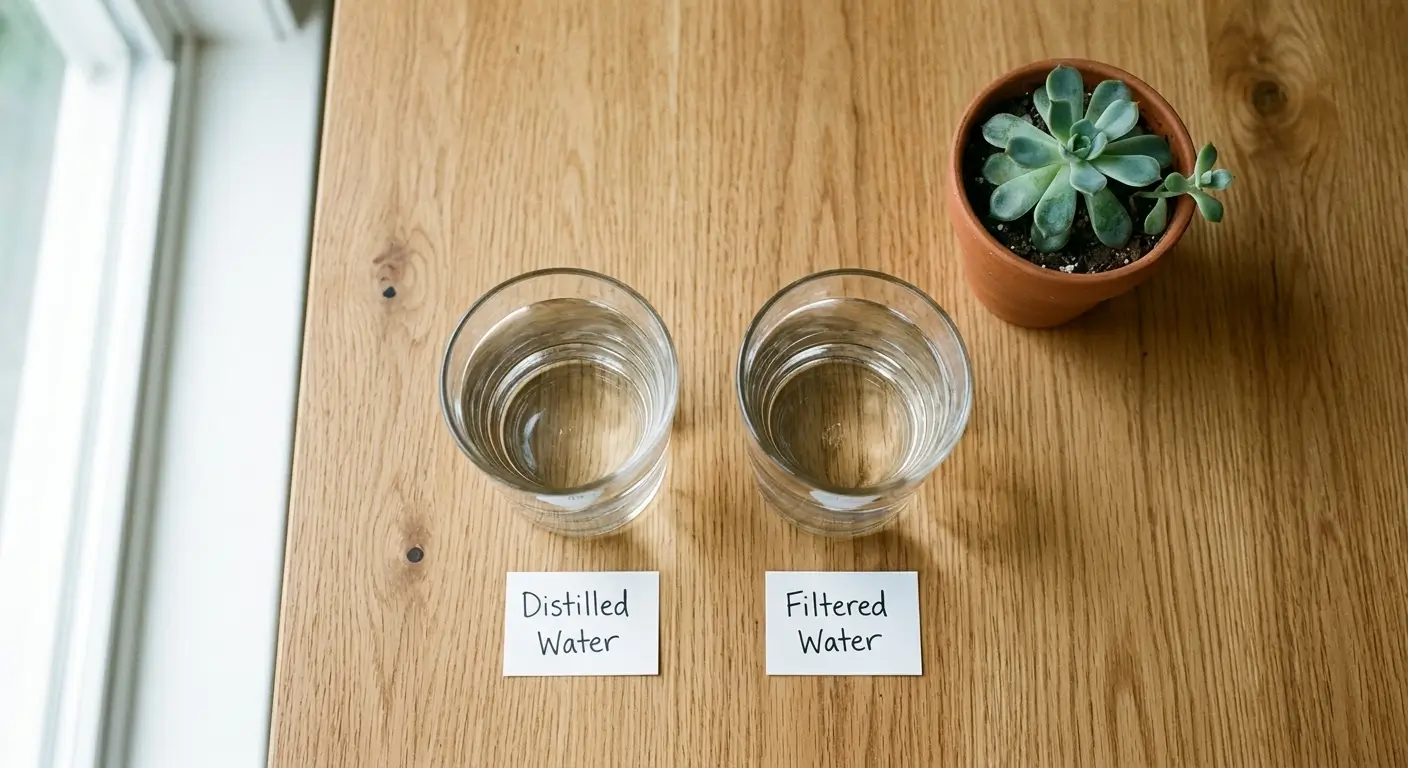
Both beat tap water by a wide margin. Distillation removes almost everything, including some natural minerals that actually help plants grow. Filtration is more selective, it clears out the harmful stuff while leaving beneficial minerals intact. If fluoride is your primary concern, activated carbon filters and simply boiling water won't do a thing for you, and reverse osmosis filtration does the job just fine.
This one is really a roller coaster. Water softeners are designed to eliminate the calcium and magnesium ions, which are essential for growth, and substitute them with sodium based on a salt based process. Even in small amounts, there can be a lot of sodium in the soil which is not good for most plants over the long-term.
Softened water is also a bit more acidic, so this is a good thing for acid-loving plants and a bad thing for those that prefer more alkaline water. If you're watering potted plants with softened water regularly, refreshing the soil periodically helps offset any sodium buildup.
Consider a water conditioner that doesn't add salt. It changes the minerals sufficiently to prevent them from adhering to surfaces but does not involve the exchange of sodium that is customary with a conventional softener.
Yes, purified water through reverse osmosis or distillation is perfectly safe for plants. The only thing to remember is that the purifying process also removes some beneficial elements from the water, which means your plants could require a little more fertiliser than they would without this process.
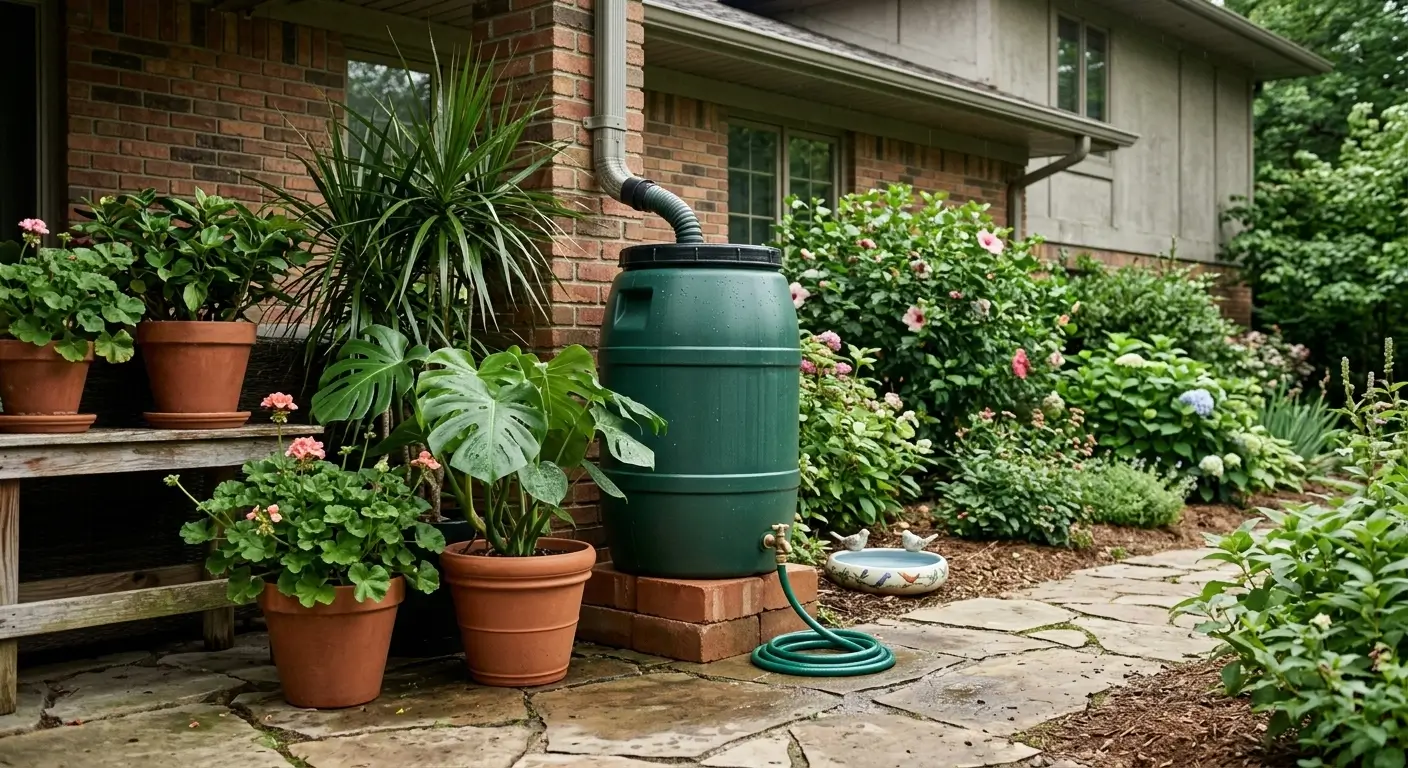
A favourite among plant owners for good reason. It's naturally low in chlorine and fluoride, carries a decent amount of nitrates to feed the soil, and tends to be well oxygenated, which supports healthy root growth. If you get regular rainfall, collecting it for your indoor plants is one of the easiest upgrades you can make.
Boiling kills off microorganisms, but it won't touch dissolved chemicals, and it can actually concentrate minerals slightly as water evaporates. If chlorine's your concern, letting water sit uncovered for a while allows it to off-gas naturally. Always let boiled water cool fully before using it on plants.
Useful in moderation. It adds nutrients to the soil, but overdoing it can do more harm than good, so it's worth following general guidance on frequency rather than using it liberally.
Old aquarium water is nutrient rich and can benefit plants, similar to compost water. Use it sparingly rather than as a regular replacement for normal watering.
Quality varies a lot between brands, which makes it hard to recommend as a reliable option. If you do go this route, distilled bottled water with added minerals tends to be the safer choice for most plants.
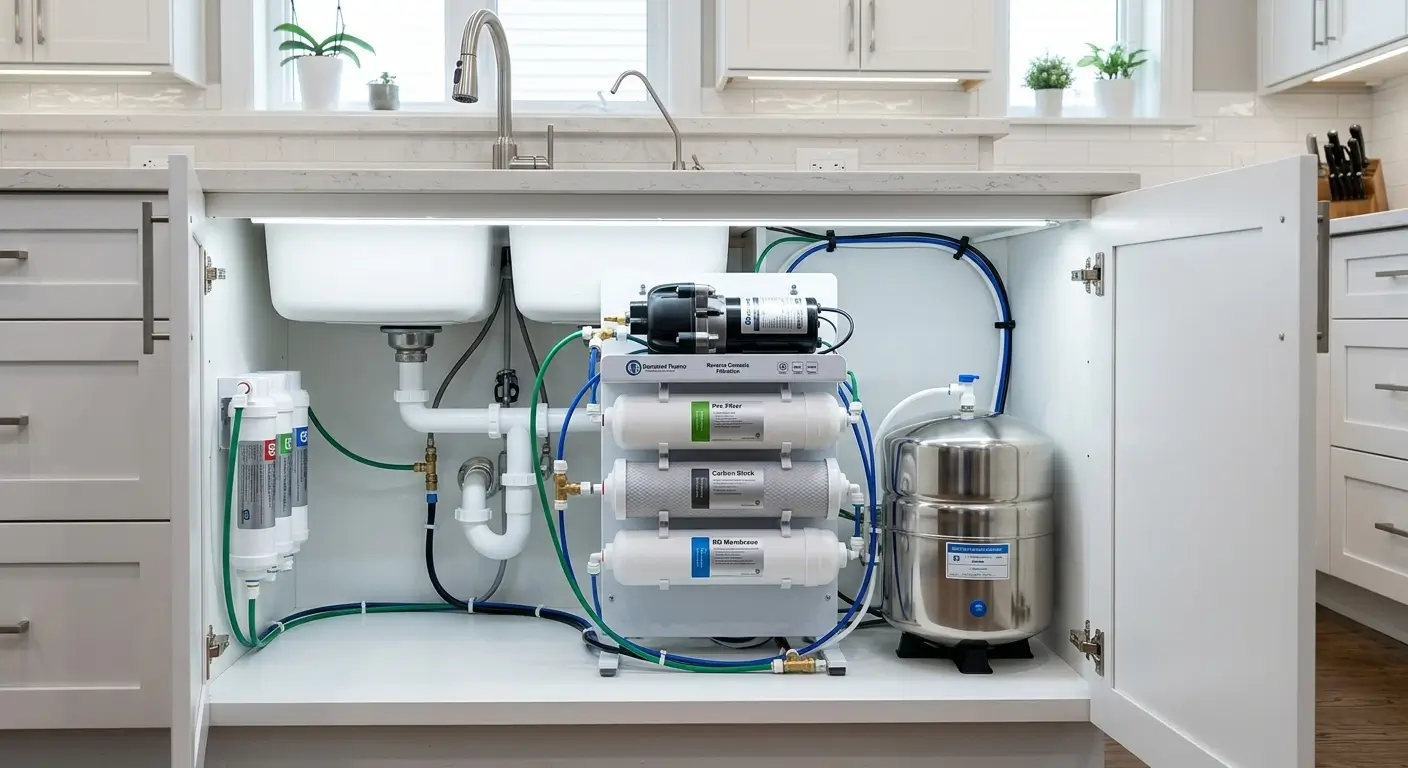
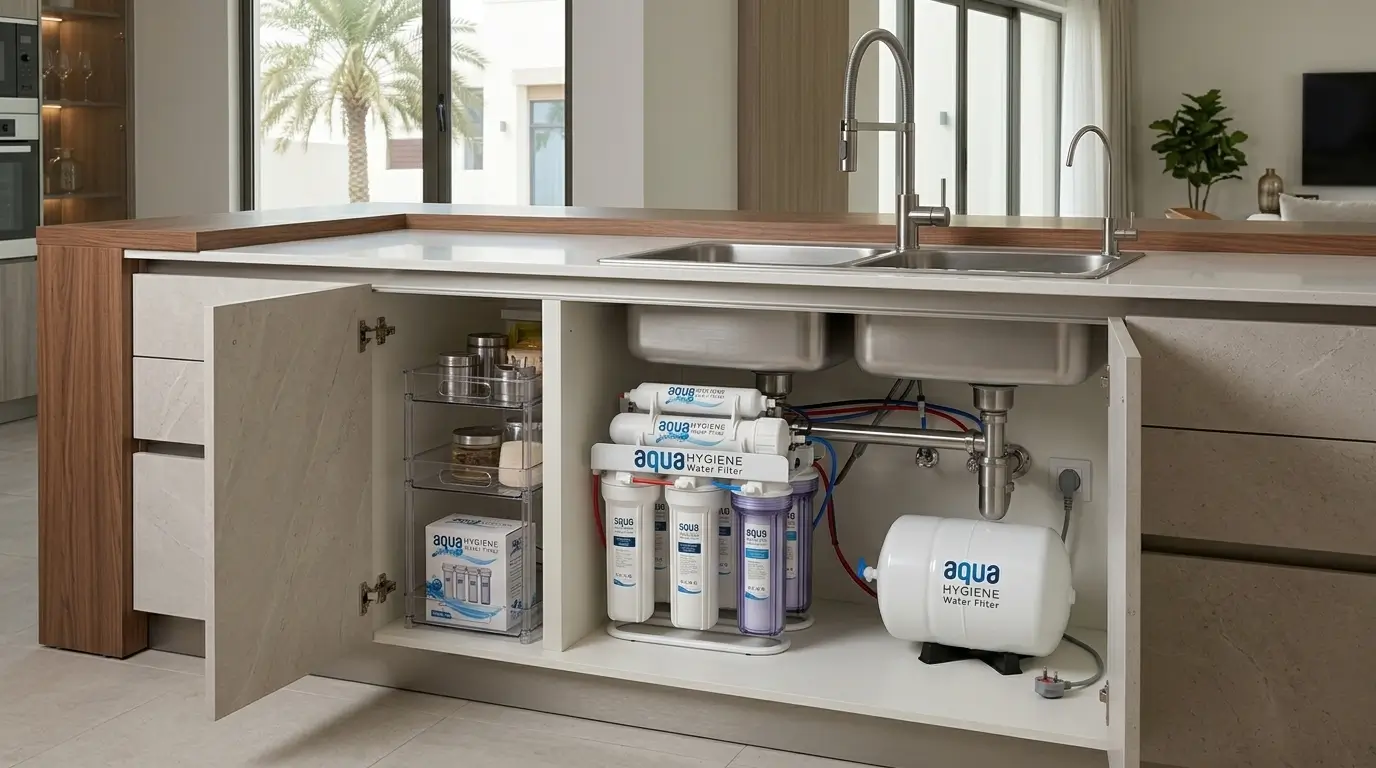
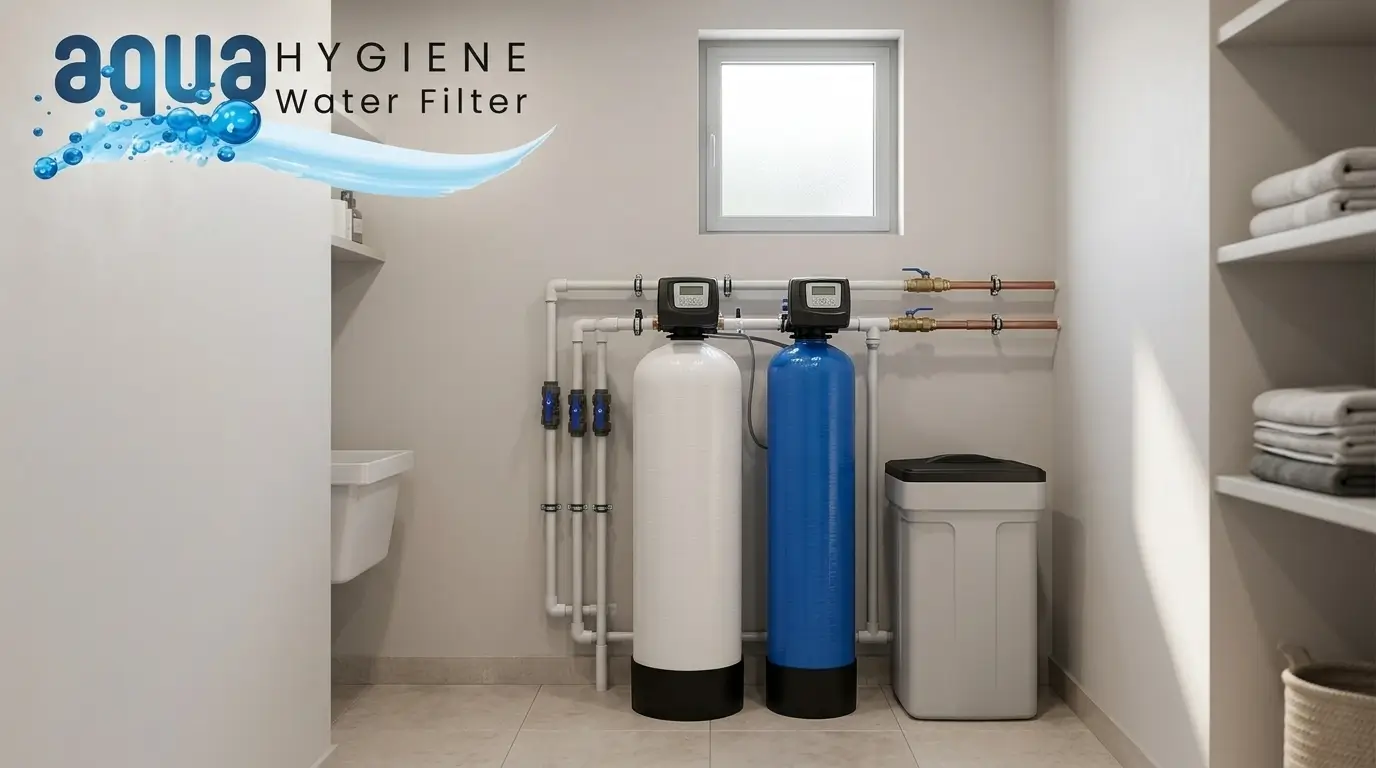
If you want consistently good water for your plants without relying on rainwater or sourcing bottled water, a proper filtration setup at home solves this permanently. Our 4-stage reverse osmosis under counter system removes fluoride, chlorine, heavy metals and more in one pass, giving you water that's just as good for your plants as it is for you. For whole-home coverage, our whole house filtration system protects every tap in your house, not just one.
Water quality genuinely affects how well your plants grow, even if the effects take time to show up. Filtered water strikes the best balance for most households, removing what's harmful while keeping what's beneficial. If you're not sure which setup makes sense for your home, get in touch with Aqua Hygiene and we'll help you figure out the right fit.