Get Free Consultation!
We are ready to answer right now! Sign up for a free consultation.
I consent to the processing of personal data and agree with the user agreement and privacy policy

We are ready to answer right now! Sign up for a free consultation.
I consent to the processing of personal data and agree with the user agreement and privacy policy
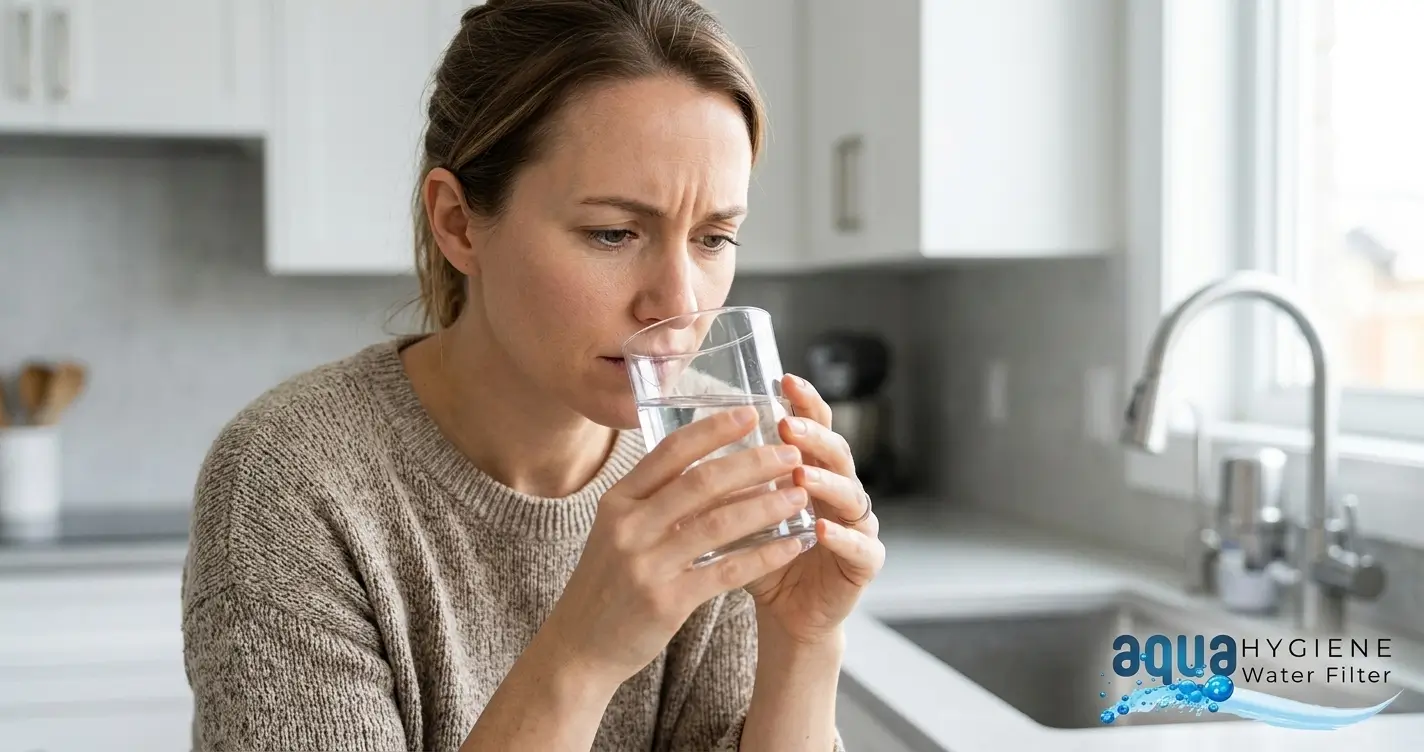
Tap water that smells off or tastes strange is more common than most people realise, and it usually points to something specific rather than a mystery. The good news is that once you know what's actually causing it, fixing it is usually pretty straightforward.

Algae blooms can build up in a water source during hot, dry stretches, and this often leaves water tasting slightly earthy or musty. Treatment plants adjust their process to deal with this, so the water stays within safety limits even when the taste changes a bit. It's harmless in most cases, just noticeable.
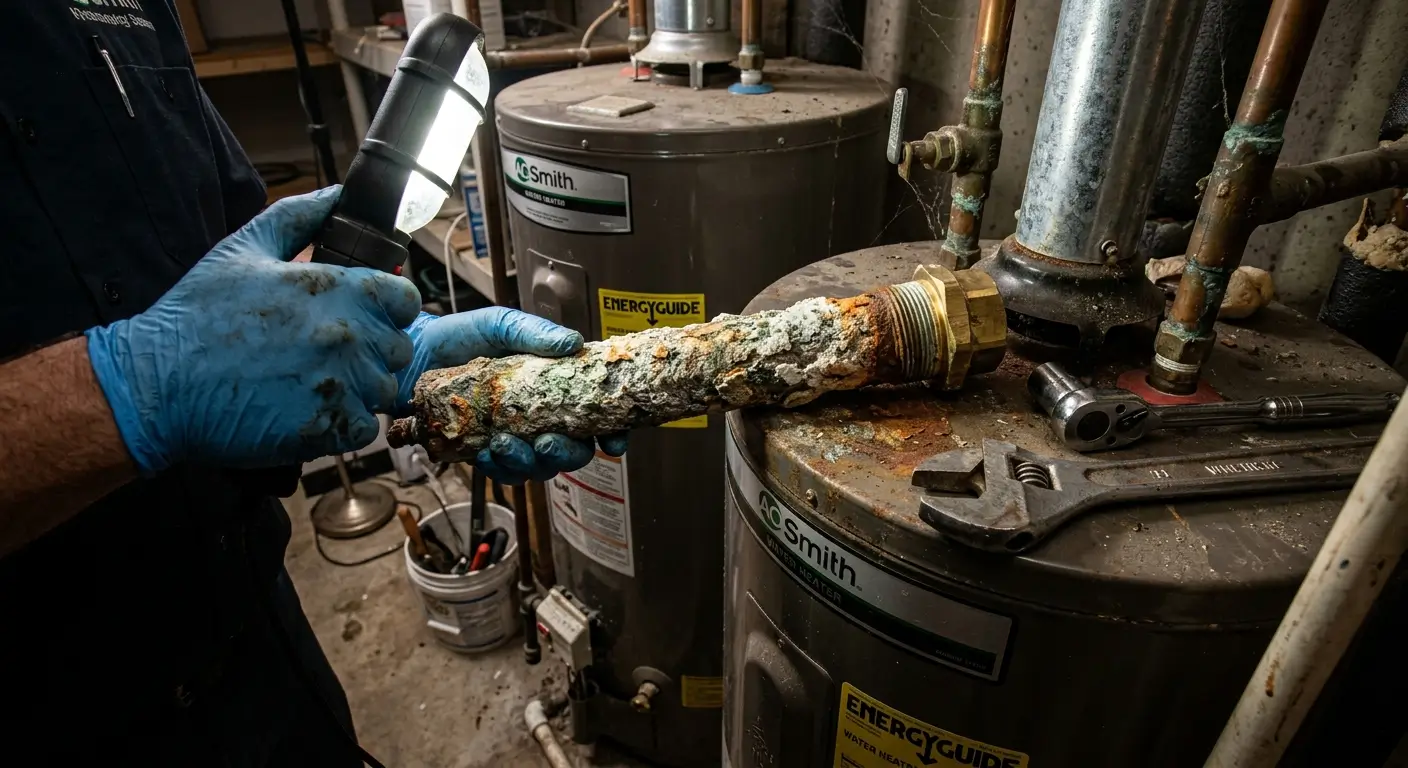
If your water smells like rotten eggs, hydrogen sulfide gas is almost always the cause. Even tiny amounts of it create a strong, unmistakable sulfur smell. It forms when naturally occurring sulfate reacts with sulfate-reducing bacteria in the water. Water heaters with a magnesium anode rod can make this worse too, especially if water sits stagnant in the tank for a while.
This smell doesn't automatically mean the water is unsafe, but it's not something to ignore either. It can cause diarrhoea and dehydration in some people, and babies are particularly vulnerable here given their still-developing immune systems. Ongoing exposure has also been linked to nausea, fatigue and headaches for some adults, even though these effects tend to fade as the body adjusts over time. Either way, if water is making you feel off, it's worth getting the sulfur levels checked rather than just living with it. If you'd like help finding your water treatment system our team can advise you.
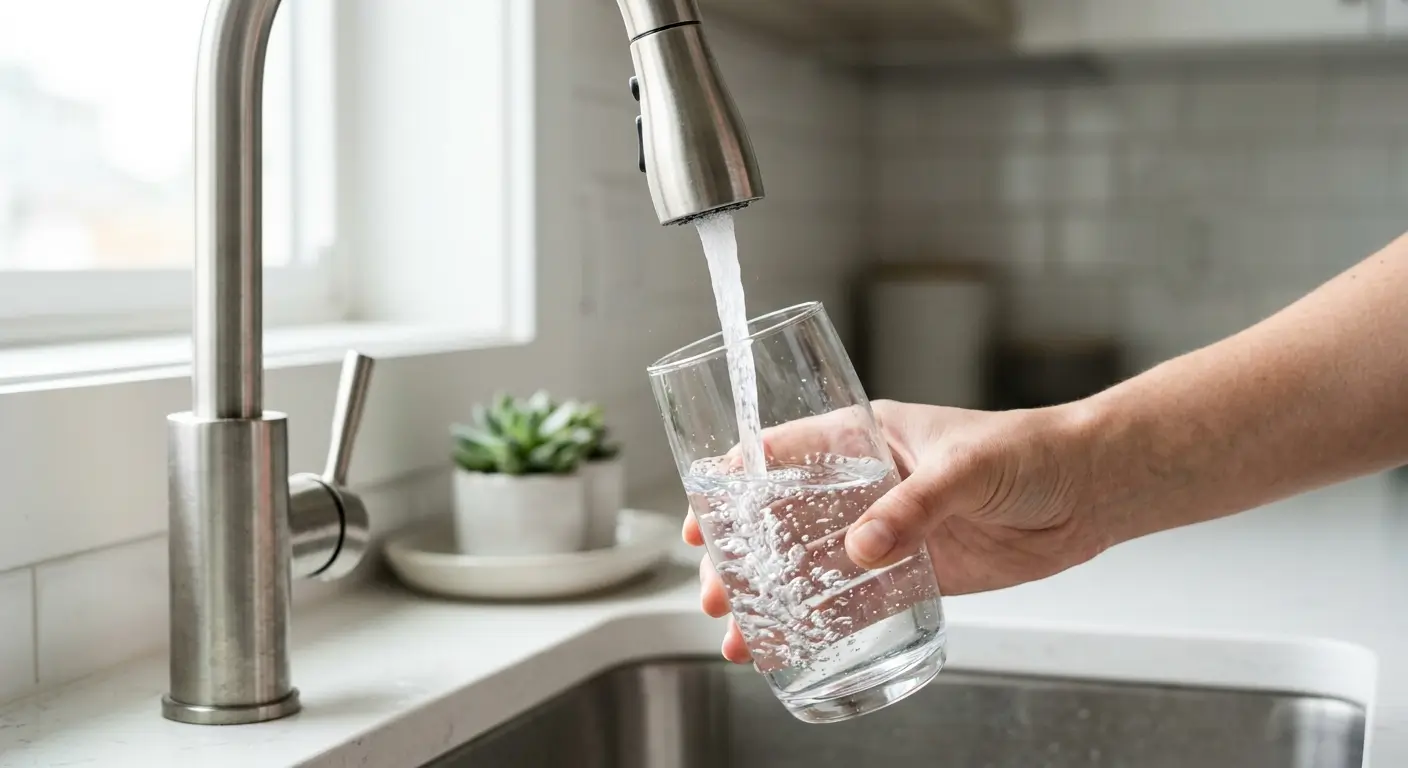
Chlorine is added to public water supplies to kill bacteria and keep water safe, and the amount used is generally well within safe limits. That said, it can still leave a noticeable taste or smell, especially if you live close to a treatment plant.
Cold water tends to carry a sharper chlorine taste than warm water, and morning water can sometimes taste more chlorinated than water drawn later in the day. None of this is dangerous, but if you're sensitive to it, it can genuinely put you off drinking enough water.
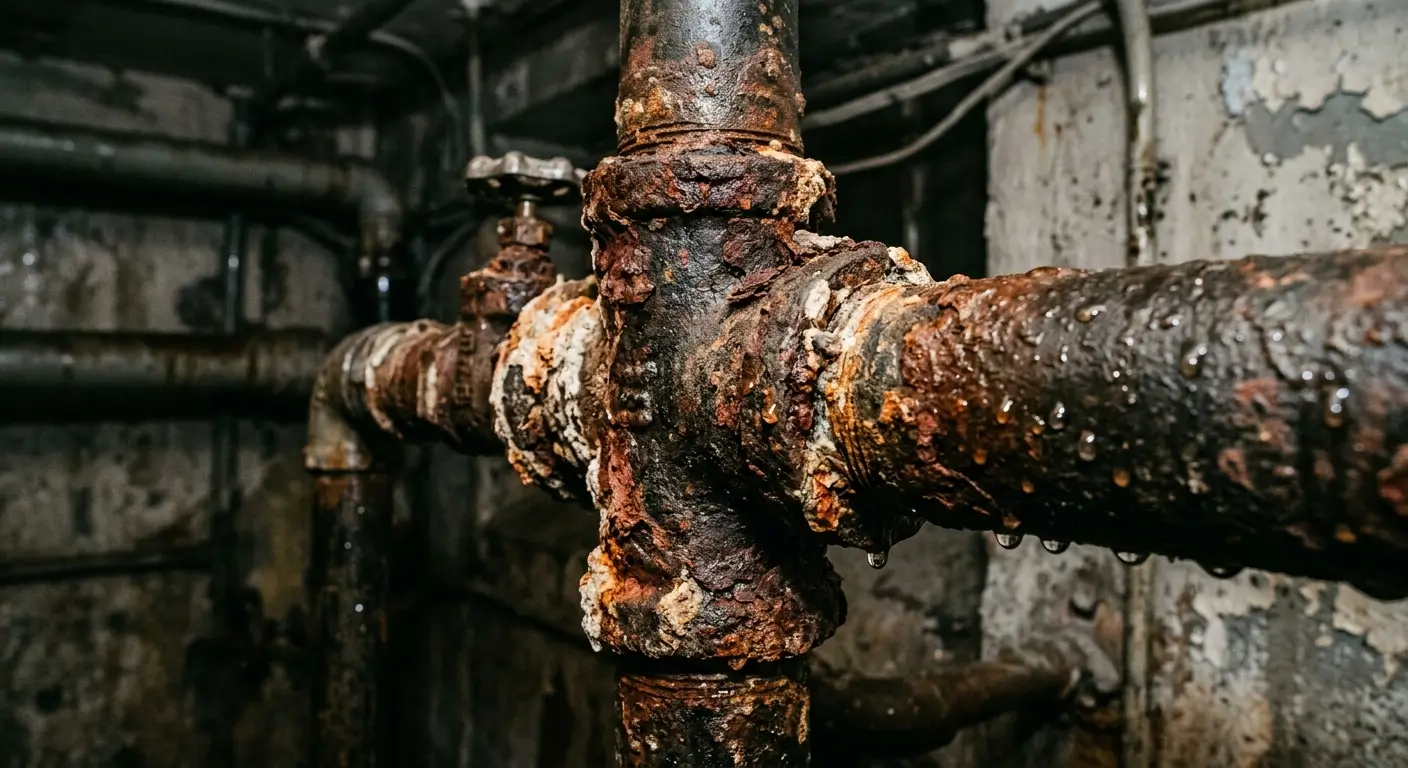
A metallic taste usually comes down to one of a few things:
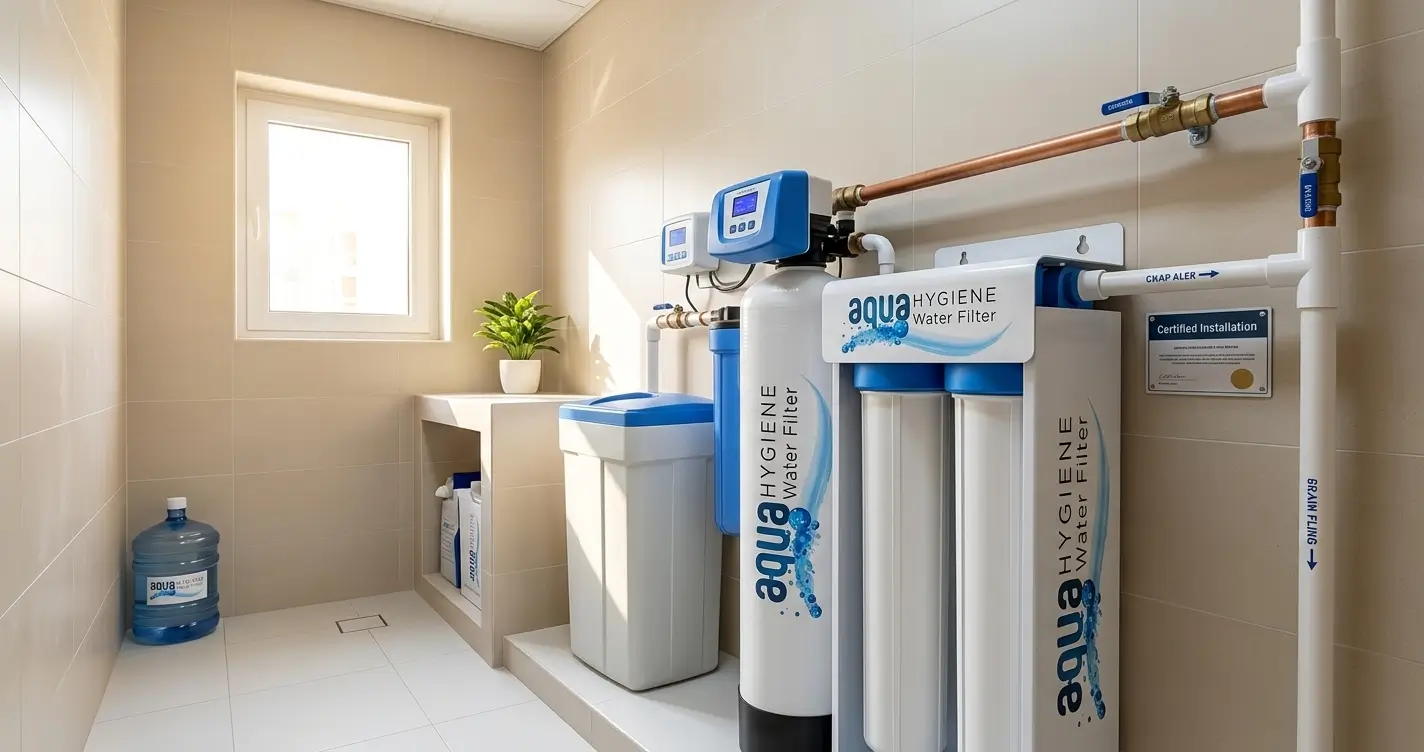
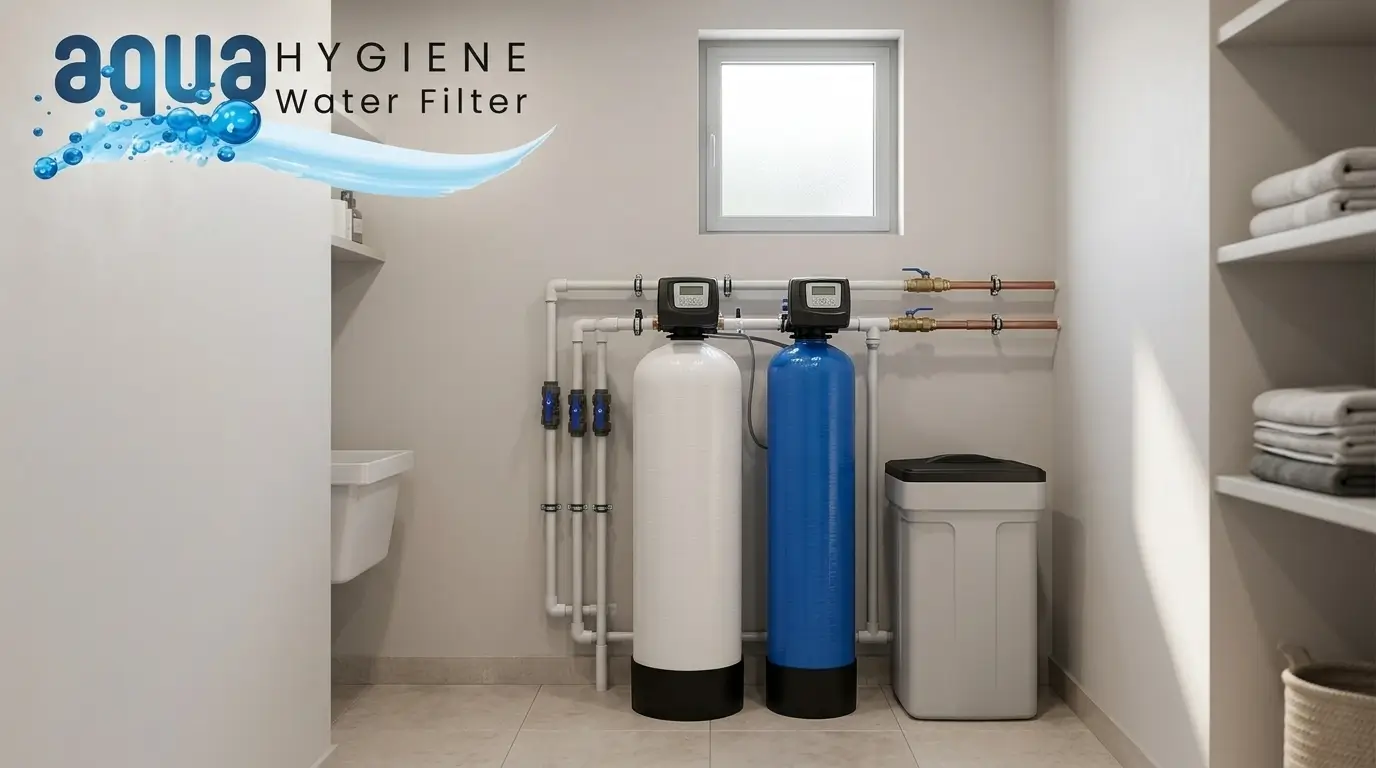
A whole house filtration system using activated carbon tackles most of these causes at once, cutting out both the mineral taste and any lingering chlorine.
Guessing rarely gets you anywhere with water quality issues. If your water comes from a public supply, your provider can usually give you a water quality report that shows exactly what's in it. For a more detailed answer, sending a sample to an accredited lab tells you precisely what's going on and rules out anything you might be missing.
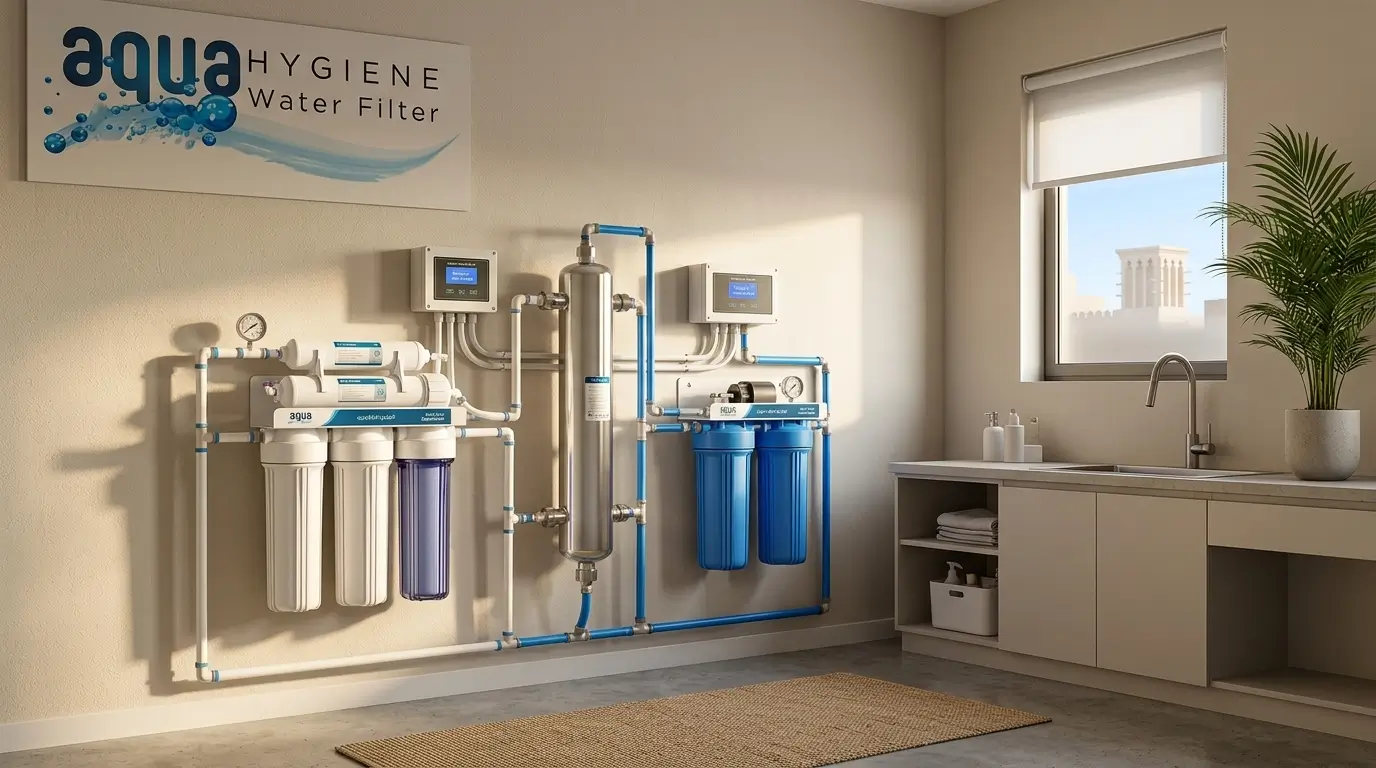
Once you know the cause, treating it becomes a lot simpler:
A bad taste or smell in your water is almost always fixable once you know what's behind it. Testing first saves you from guessing at a solution that might not actually address your specific issue. If you're dealing with water that just doesn't taste right, get in touch with Aqua Hygiene and we'll help you find the right fix for your home.