Get Free Consultation!
We are ready to answer right now! Sign up for a free consultation.
I consent to the processing of personal data and agree with the user agreement and privacy policy

We are ready to answer right now! Sign up for a free consultation.
I consent to the processing of personal data and agree with the user agreement and privacy policy
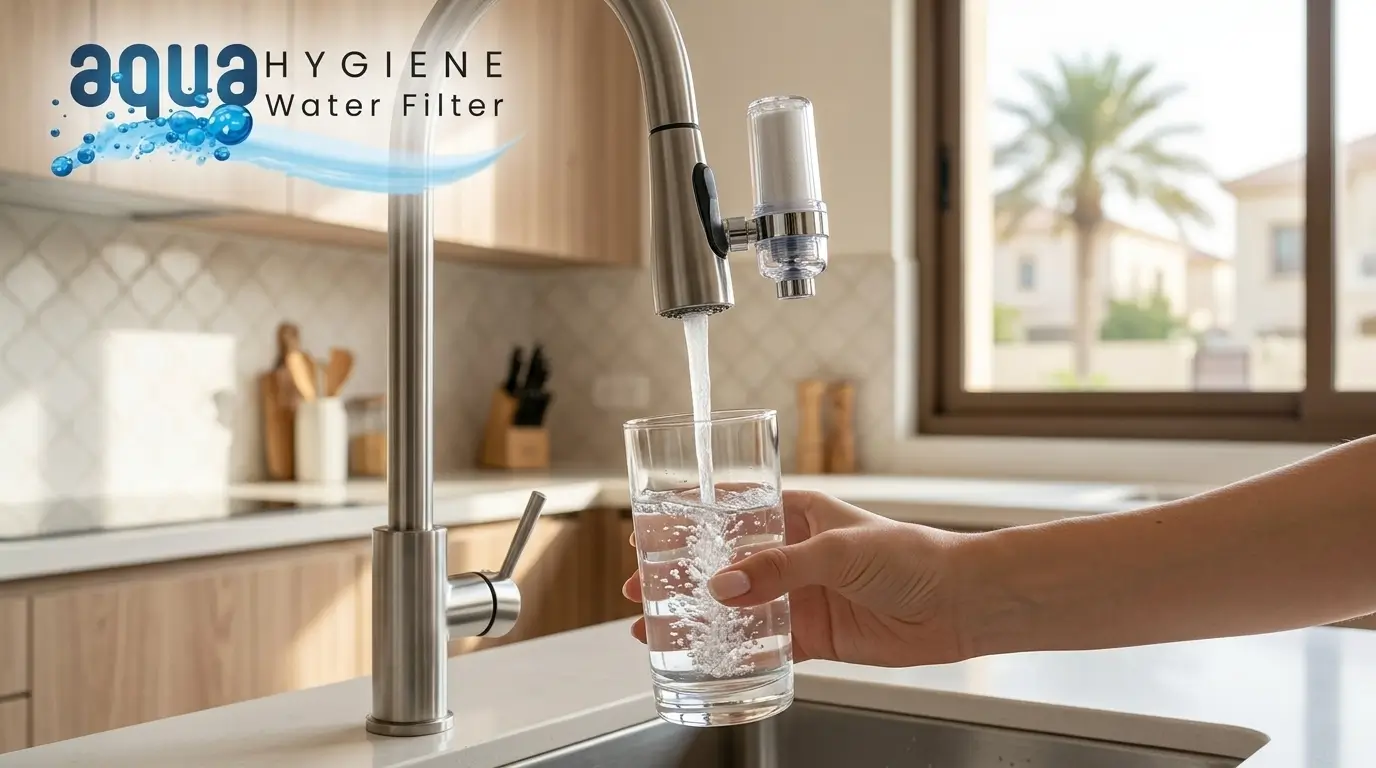
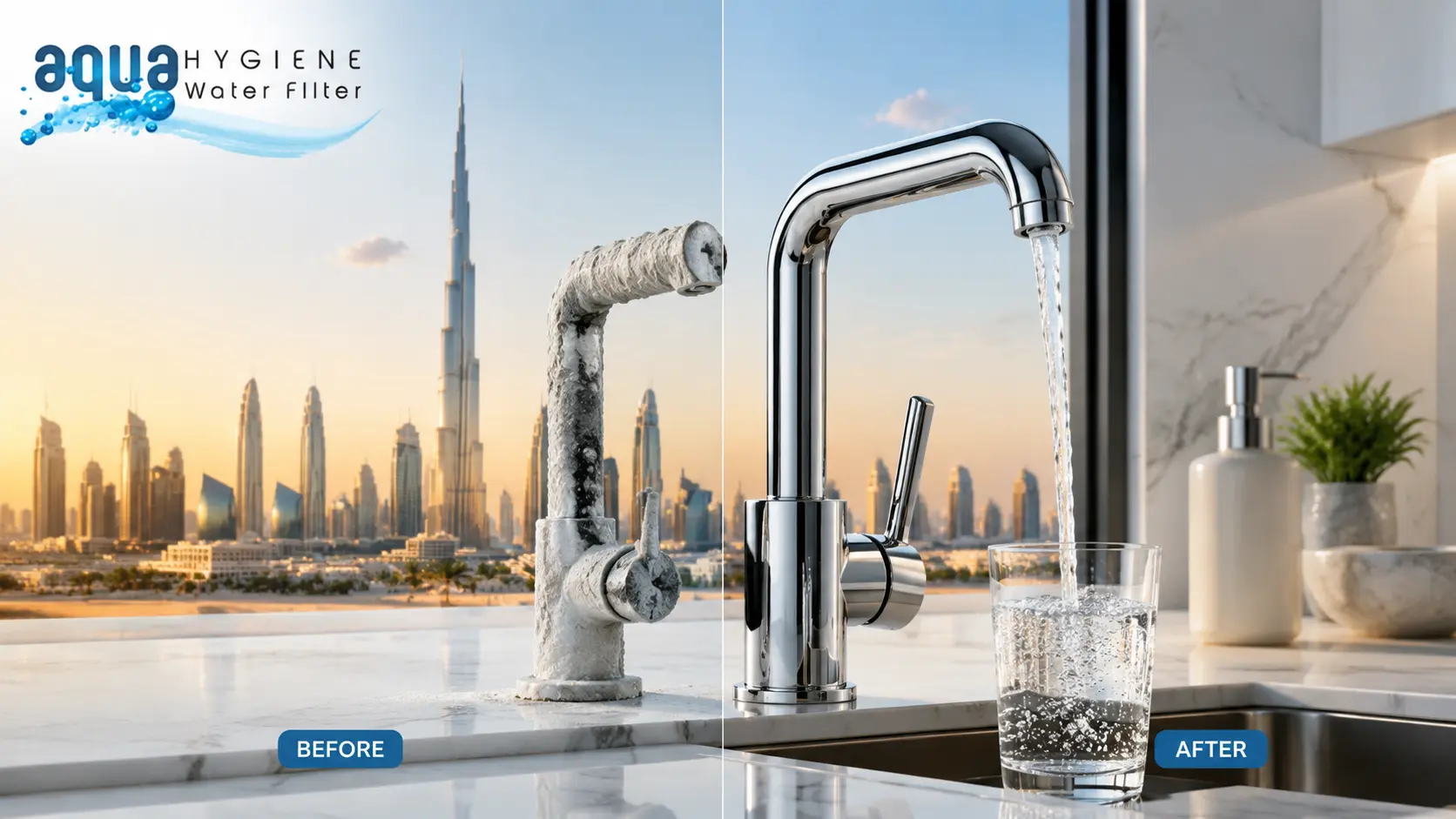
Clean water shouldn't be something you have to think twice about, but depending on where you live in the UAE, what comes out of your tap isn't always as clean as it should be. A reverse osmosis system handles this at the point of drinking, while a whole house water filter treats everything entering your home at once. This guide walks through what these systems actually do, what they're removing, and which type fits different households.
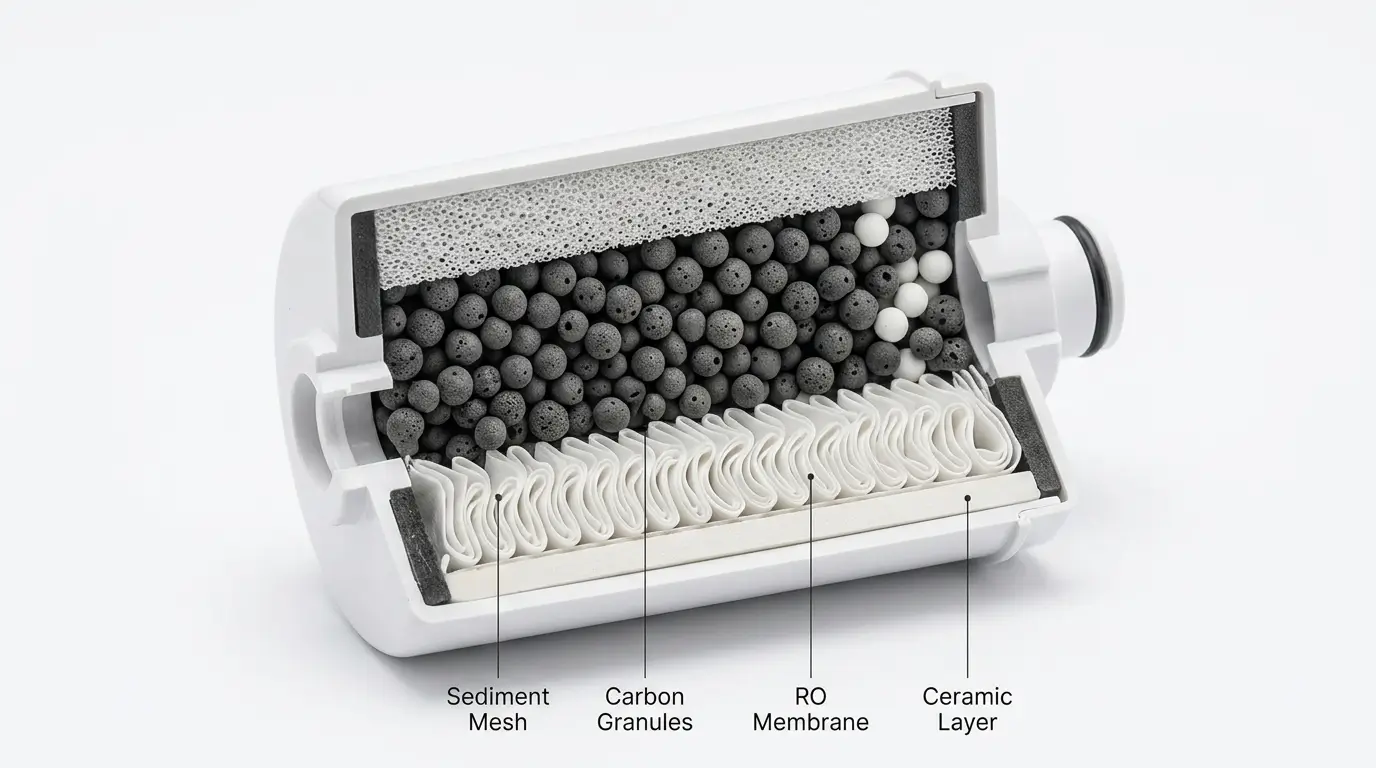
At its core, a water filter system removes impurities and contaminants before water reaches your glass or your pipes. Most home systems rely mainly on physical filtration, pushing water through layered materials that trap particles as it passes through under pressure. How fine that filtration is determines exactly what gets caught and what makes it through, so two systems marketed the same way can perform very differently depending on their actual build.
One thing worth remembering: a filter is only as good as its maintenance. Replace cartridges on the schedule your system actually needs, not whenever it's convenient, or you'll lose most of the benefit over time.
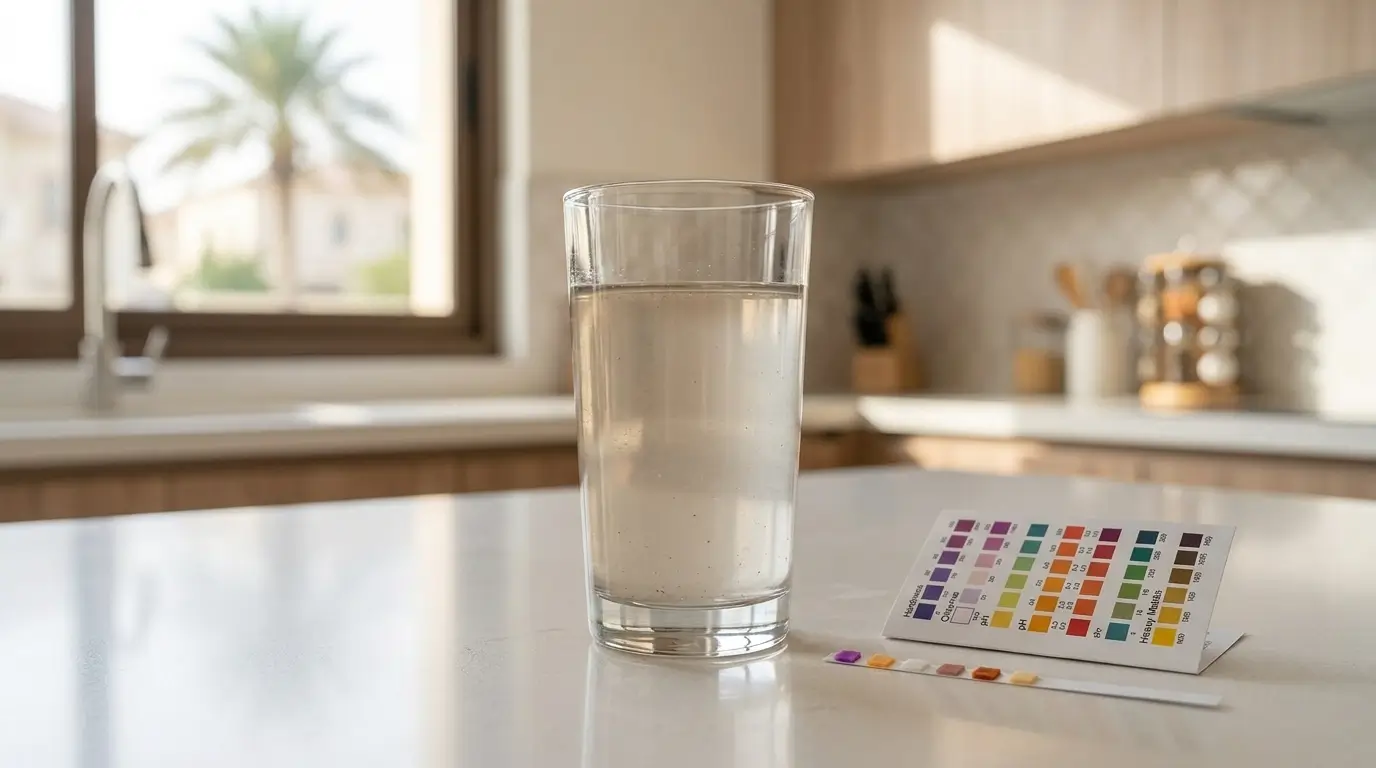
Depending on your source and location, tap water can carry sand, chlorine, fluoride, nitrates, PFAS, and trace metals like lead, arsenic, nickel and chromium, alongside bacteria and other microorganisms. Not every issue shows up in every home, which is exactly why testing your water first tells you far more than assuming the worst across the board.
Filter systems vary a lot in design, but most rely on layered filtration media, things like sand, stainless steel mesh, activated carbon, ceramic elements, or reverse osmosis membranes, sometimes combined in a single unit.
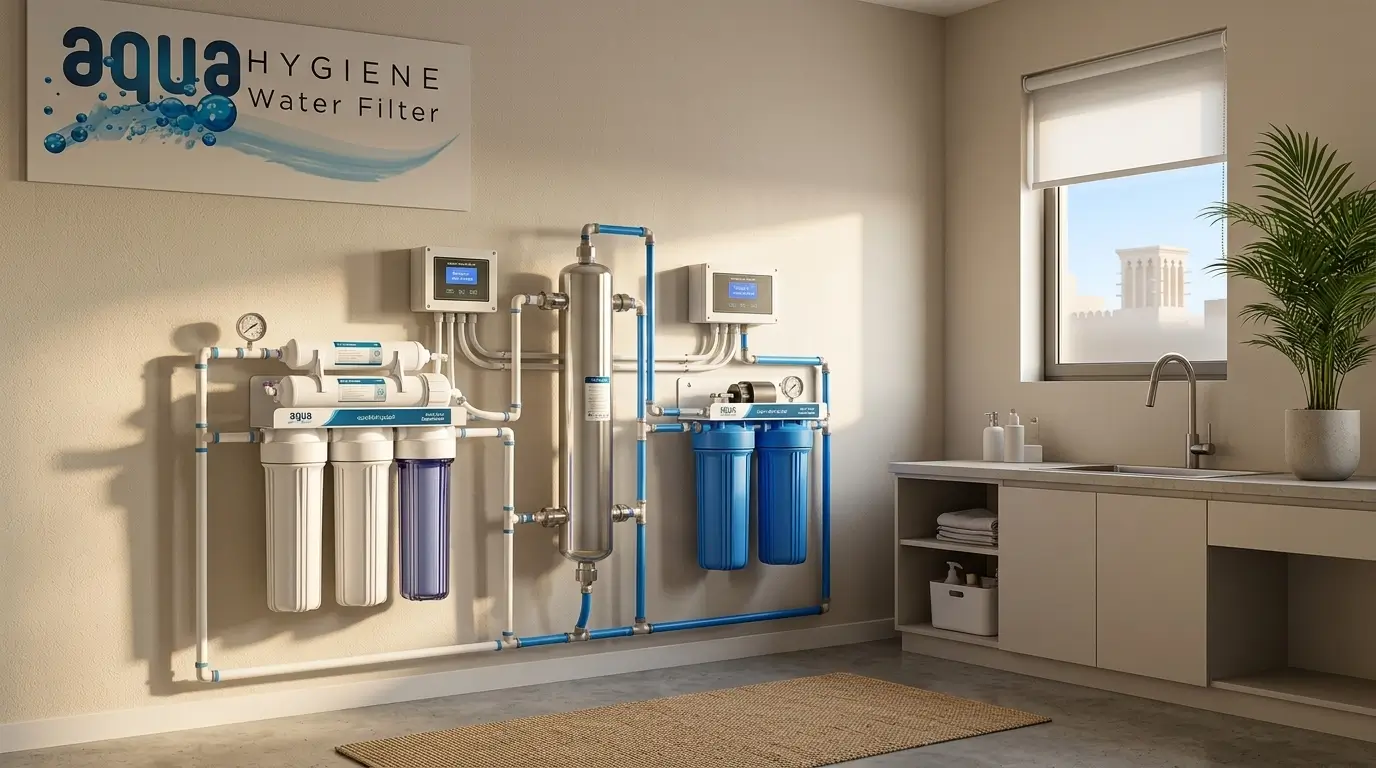
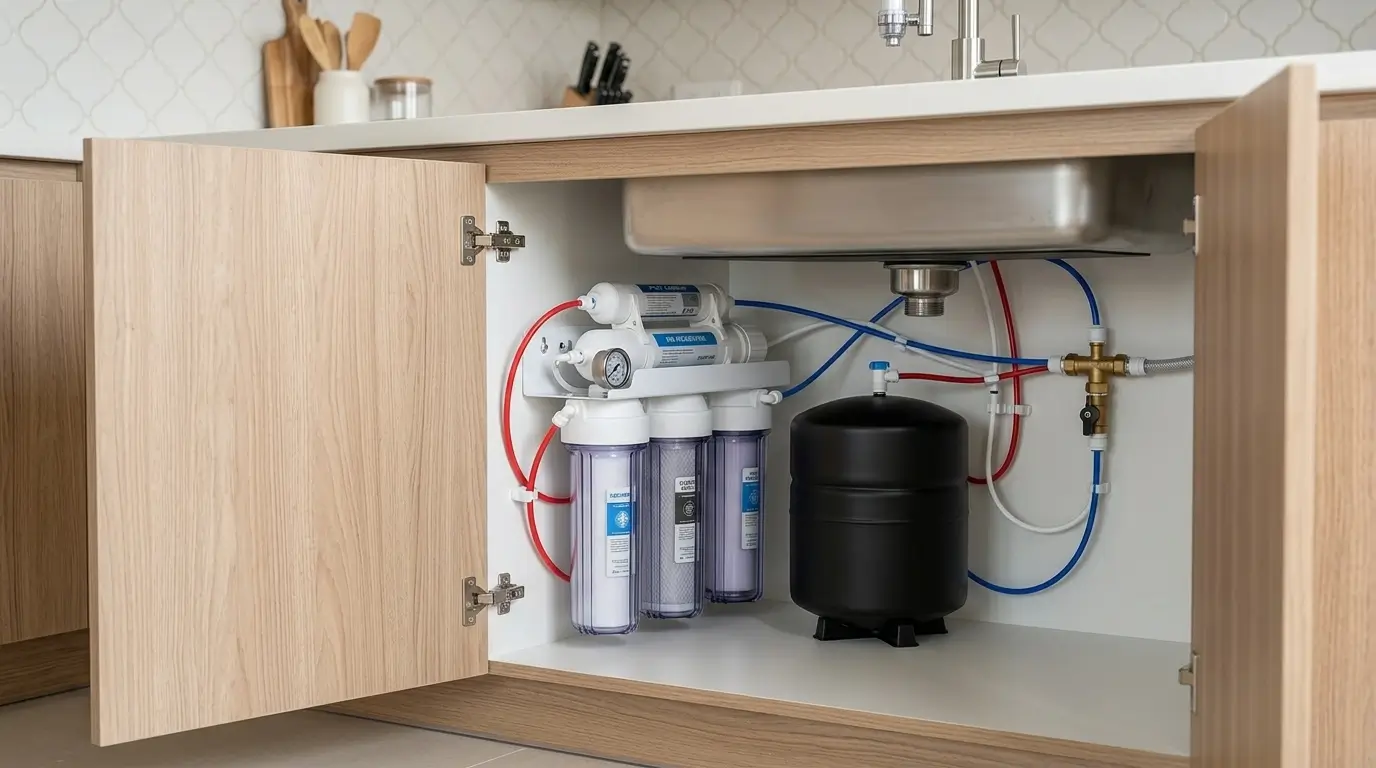
Reverse osmosis systems push water through an extremely fine membrane, catching sediment, bacteria, dissolved metals and more in the process. Many modern RO setups also include a UV stage for extra protection against bacteria and viruses, and newer tankless designs use meaningfully less water than older tank-based systems did.
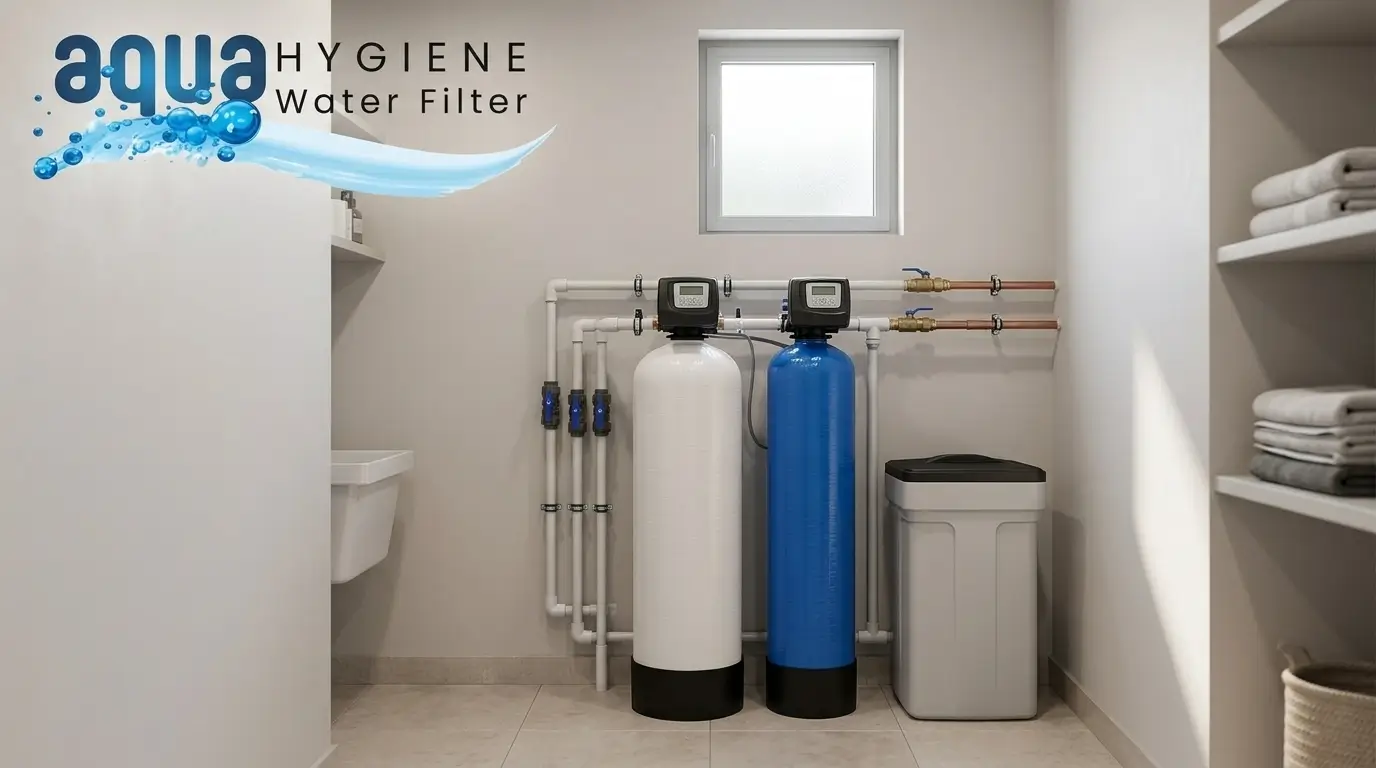
Whole house filters sit at the point where water enters your property and treat everything from there, protecting appliances from scale and sediment before it ever becomes a problem. A well-built system typically only needs a cartridge change every few months.
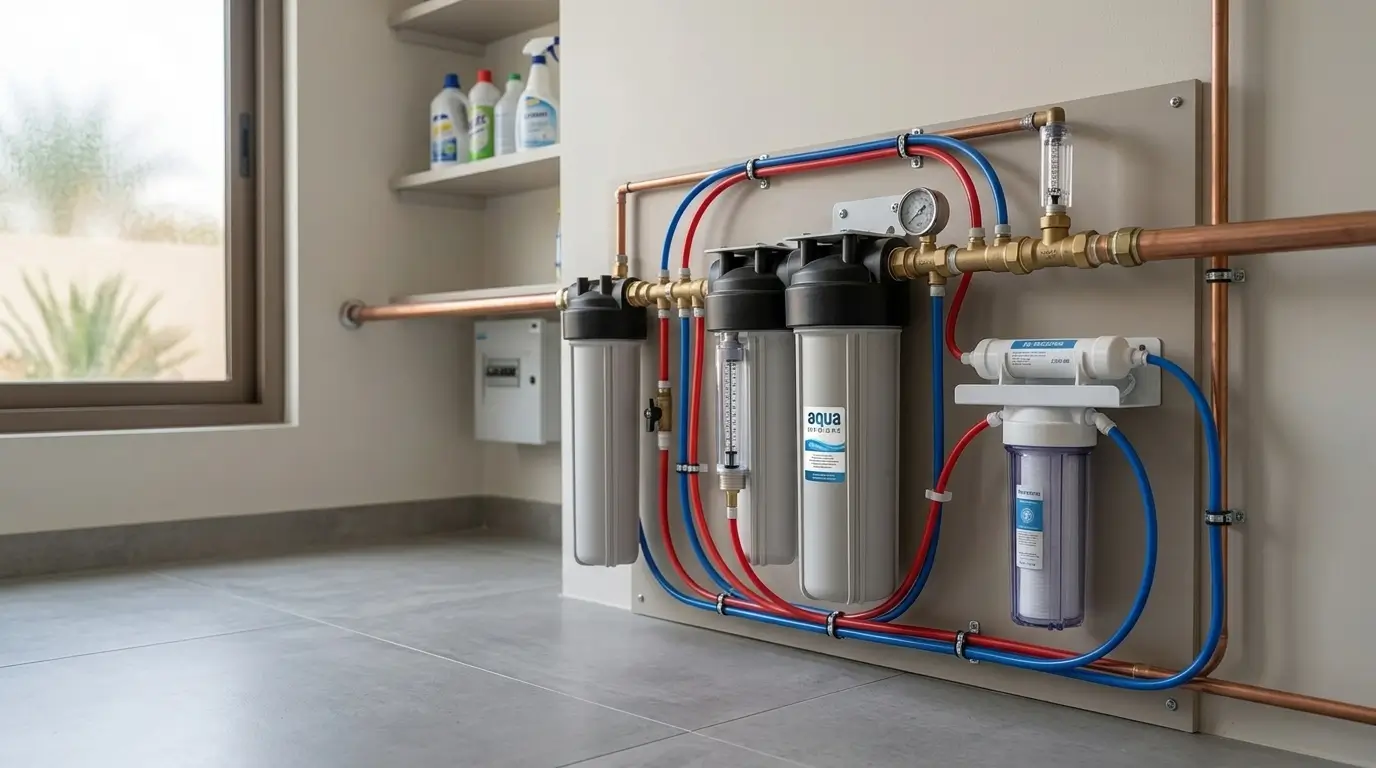
Under sink filters sit discreetly below your kitchen sink and treat water at that single point of use. Ultrafiltration models in particular can run a long time between cartridge changes, some rated well over a year, while still handling chlorine, lead, fluoride and other common contaminants.
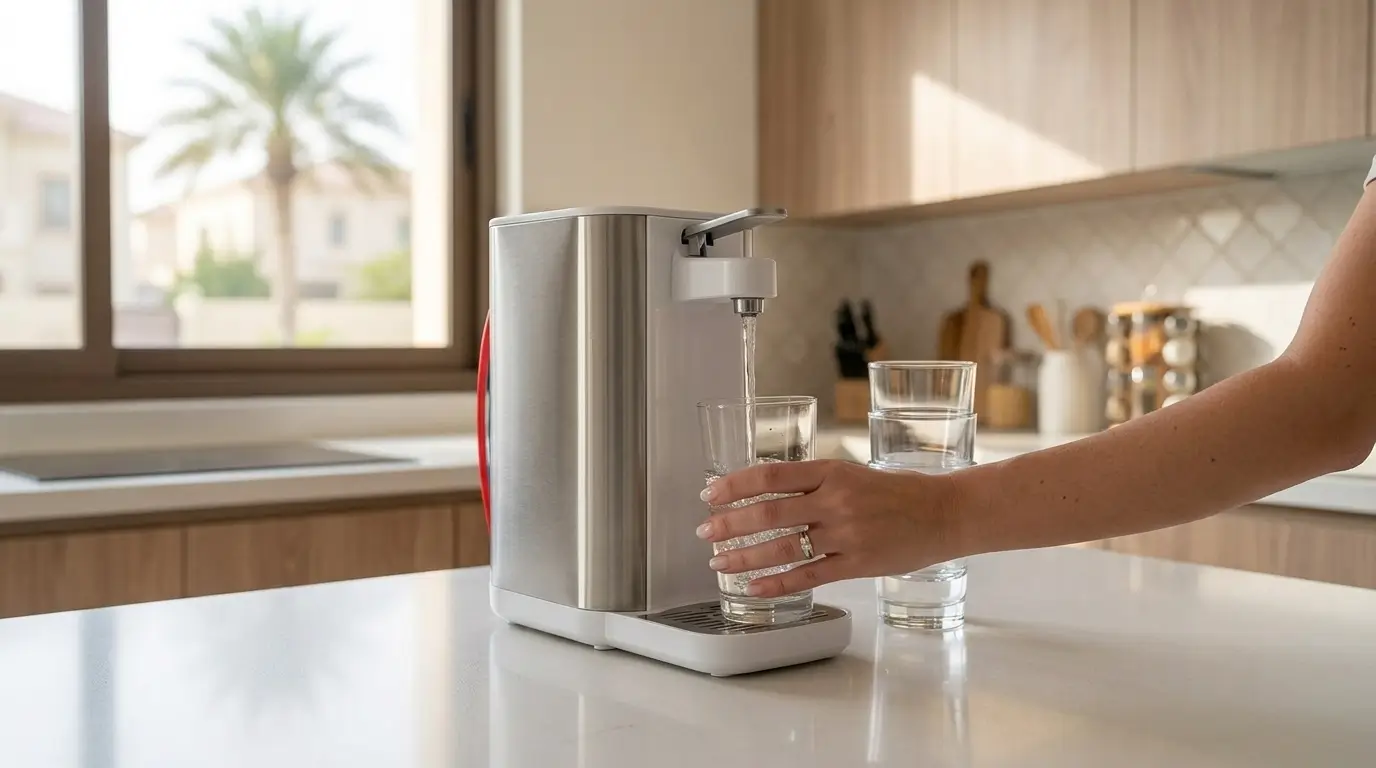
Countertop systems are the simplest to install since there's no plumbing or drilling involved. They're a solid option for renters or anyone who wants filtered water without committing to a permanent installation.
Gravity-fed filters don't need electricity or a water line at all. Water passes through the filtration media purely by gravity, which makes these a practical option in homes with inconsistent water pressure or during any disruption to mains supply.
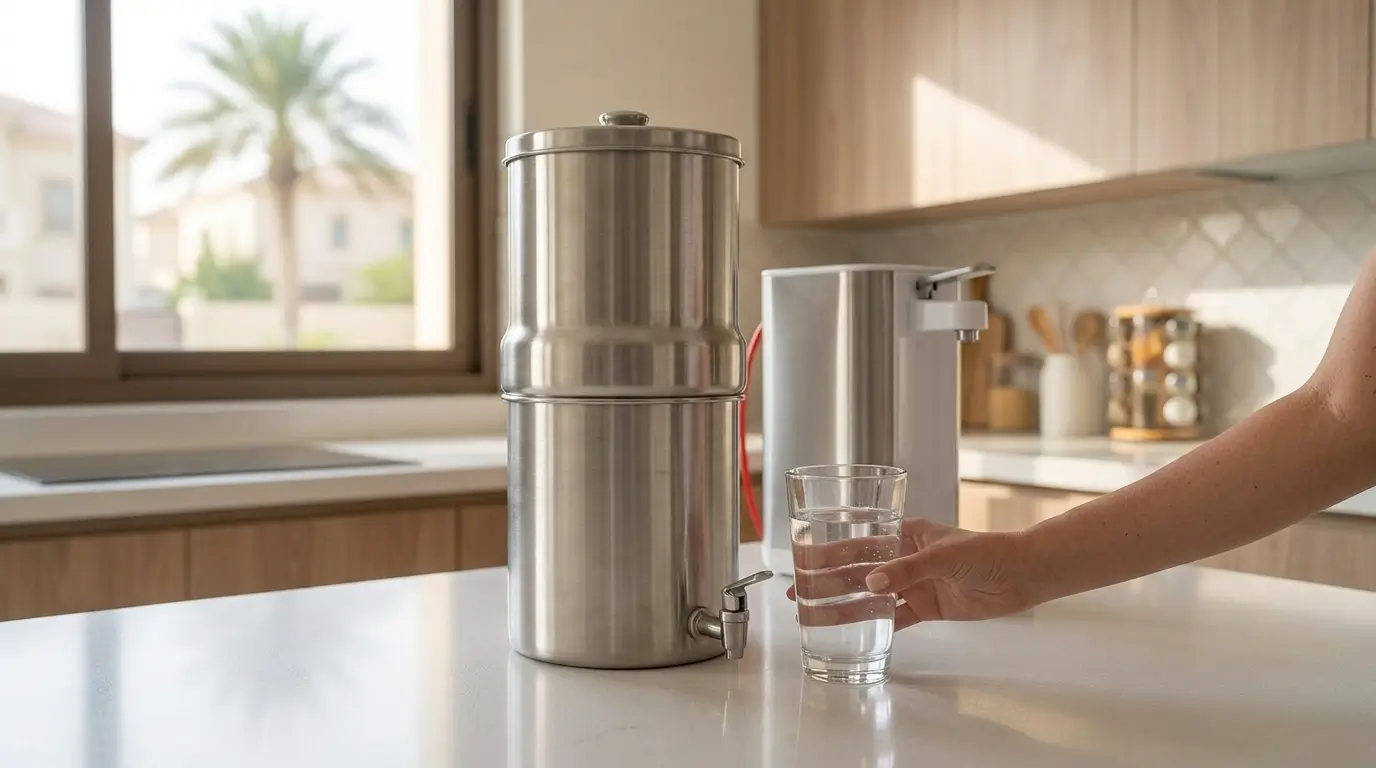
Whichever system fits your situation, the goal is the same: water you don't have to think twice about. Reverse osmosis, whole house filtration, under sink, countertop or gravity-fed, each one solves a slightly different problem, and the right choice comes down to your specific water issue and how you want it addressed. If you're not sure which setup makes sense for your home, get in touch with Aqua Hygiene and we'll help you figure out the right fit.