Get Free Consultation!
We are ready to answer right now! Sign up for a free consultation.
I consent to the processing of personal data and agree with the user agreement and privacy policy

We are ready to answer right now! Sign up for a free consultation.
I consent to the processing of personal data and agree with the user agreement and privacy policy

Ever wondered why so many people reach for bottled water instead of filling a glass from the tap? It usually comes down to trust. Purified water has real advantages over tap water, and knowing where they come from makes the decision easier.
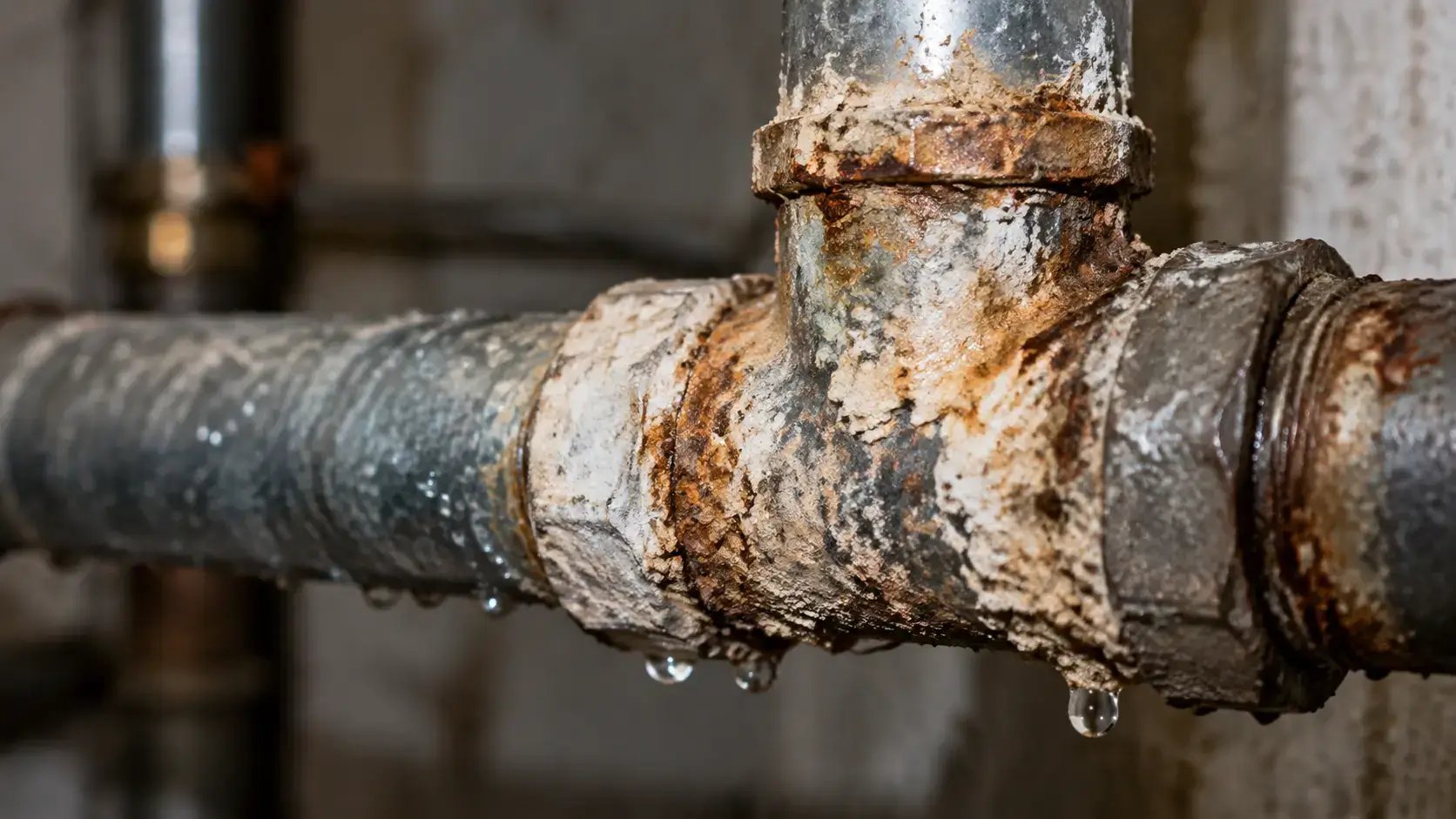
City tap water goes through treatment to remove major contaminants, but the chemicals used in that process can introduce their own issues. On top of that, water picks things up on its way to your tap, especially if it's travelling through older or corroded pipes. Contaminants commonly found in tap water over the years include arsenic, lead, copper, coliform bacteria, and pesticide or herbicide residue.
These aren't automatically dangerous in small amounts, but heavy metals in particular don't leave the body easily once they build up. Prolonged exposure at meaningful concentrations has been linked to cardiovascular problems, nerve damage, kidney issues, and a higher long-term cancer risk. A reverse osmosis system is one of the more reliable ways to catch these contaminants before they reach your glass.
Water supports basically everything your body does, brain function, temperature regulation, and clearing out waste your body naturally produces. Staying properly hydrated supports your immune system and helps you feel less sluggish day to day.
Tap water is legally required to meet safety standards, but testing methods don't catch every possible contaminant. Filtering it yourself closes that gap and gives you a clearer answer on what's actually in your water.
Bottled water adds up fast, and manufacturing a single bottle reportedly uses several times more water than the bottle actually holds. Switching to a home filtration setup cuts that waste out of your routine.
Several studies in recent years have found microplastic particles in bottled water, even from big name brands. Filtering your own tap water sidesteps that issue completely.
Water your body doesn't have to work around contaminants to process supports normal digestion and kidney function. It's not about "detoxing," it's simply removing the extra load your body would otherwise have to filter out itself.
Proper hydration genuinely helps skin stay firmer and look healthier over time. It won't replace a skincare routine, but it's a real contributing factor.
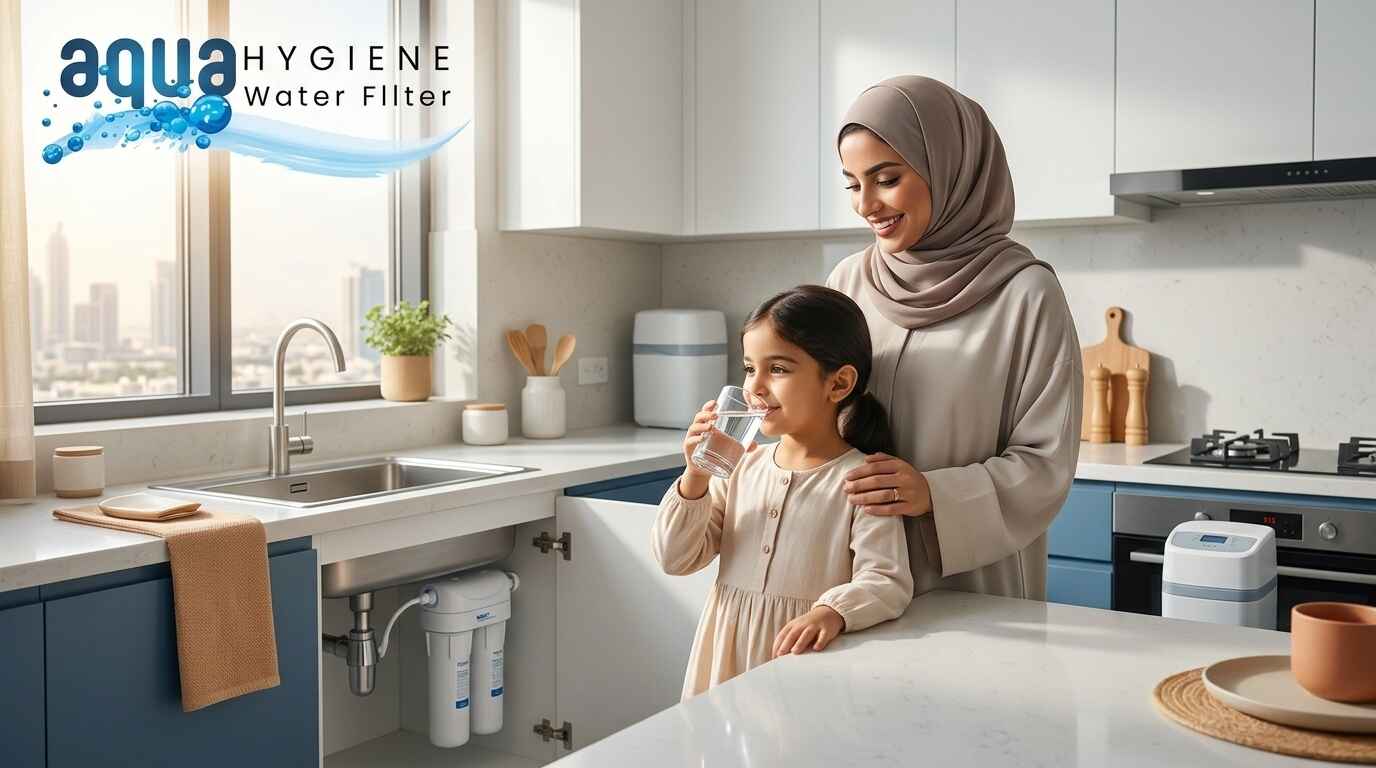
Filtered water tends to taste noticeably cleaner than tap water, which sounds minor but makes a real difference. People drink more water when it tastes better, and staying hydrated is easier when you're not forcing it down.
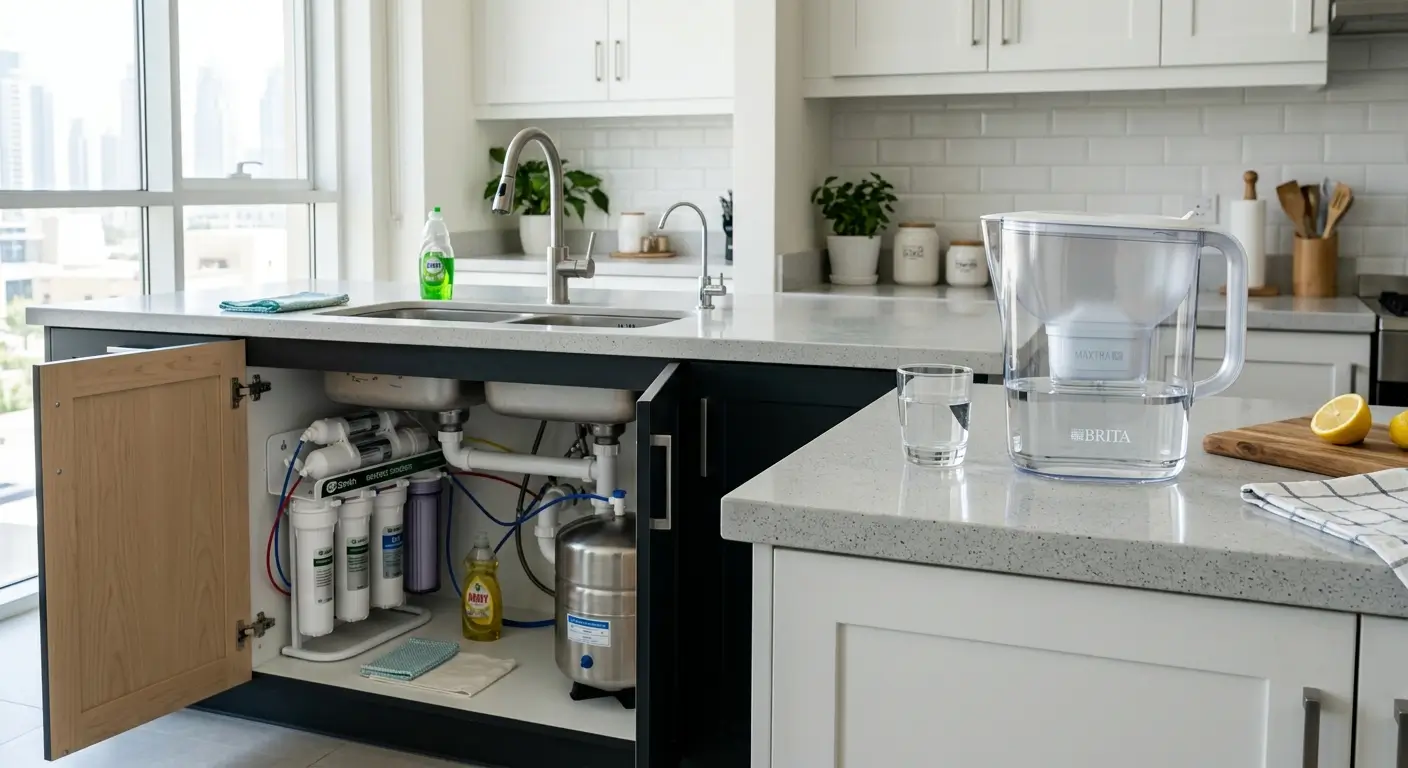
Not every filter handles the same contaminants, so it's worth matching the system to what's actually in your water rather than picking whatever's cheapest.
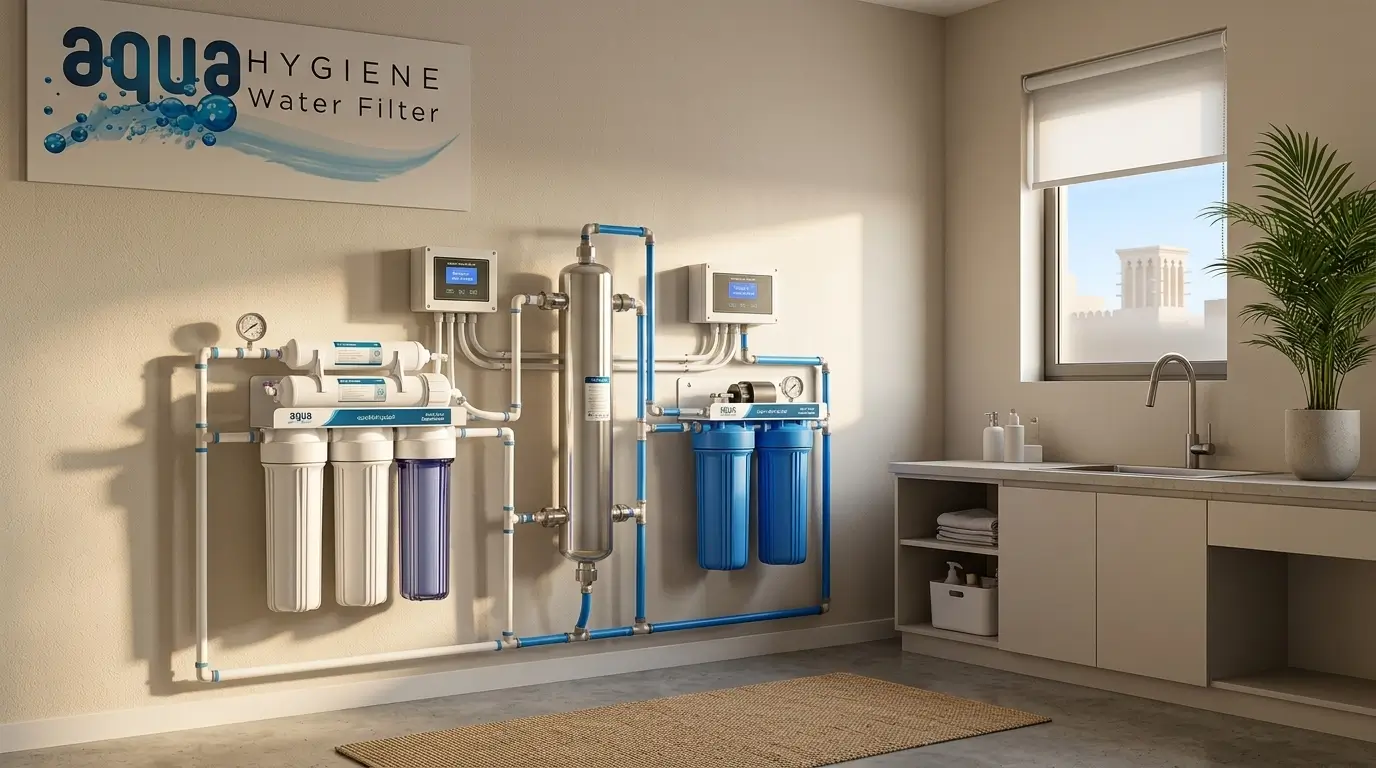
These push water through a semipermeable membrane fine enough to catch most contaminants, including heavy metals, chemicals and bacteria. They're highly effective, though they cost more upfront and usually need professional installation.
These use a less dense membrane than RO, so they let some beneficial minerals through while still catching sediment, rust, bacteria and viruses. UF systems tend to be more affordable and often last longer than RO setups, though they're less thorough on dissolved chemicals and heavy metals.
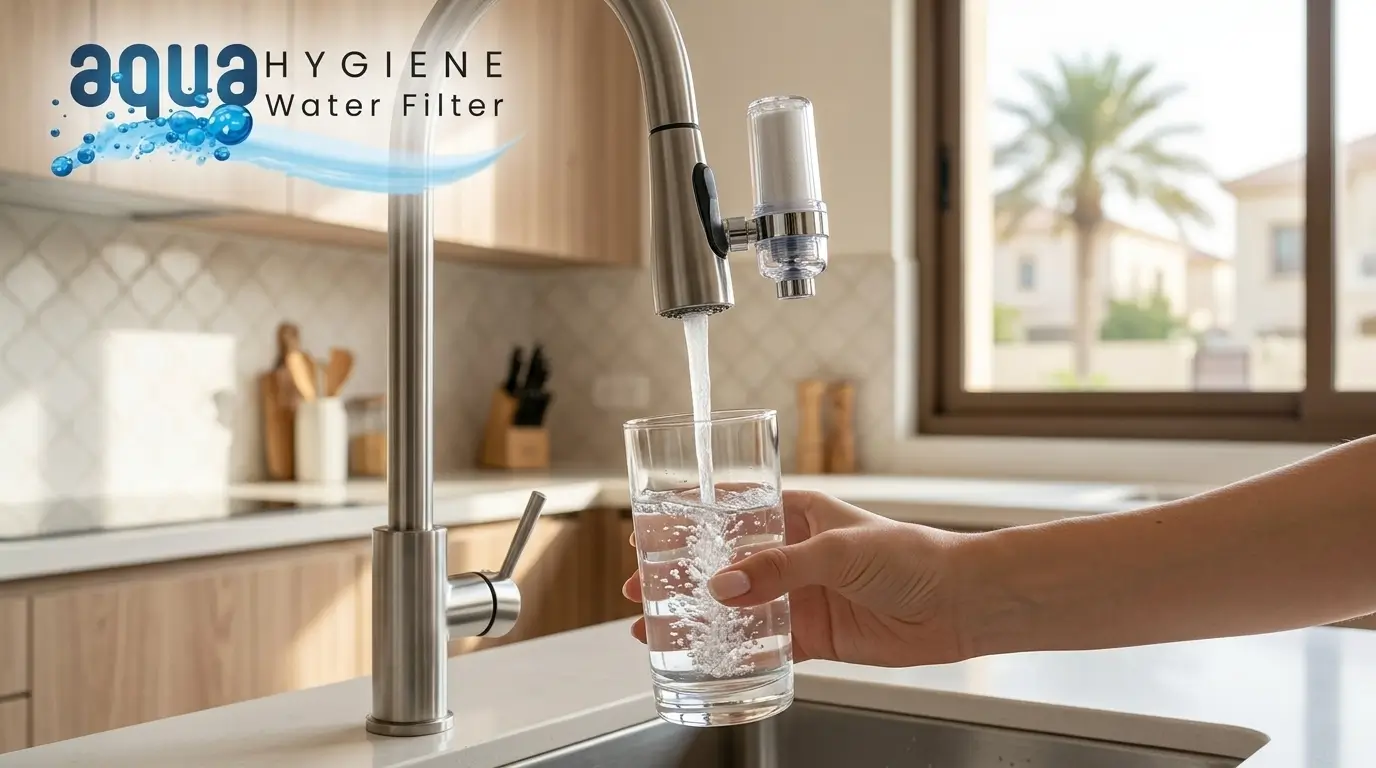
These are the simplest entry point. Most rely on a carbon filter to improve taste and cut down chlorine and some basic impurities. They're not as thorough as RO or UF, but they're a reasonable starting point if you're not ready for a bigger installation.
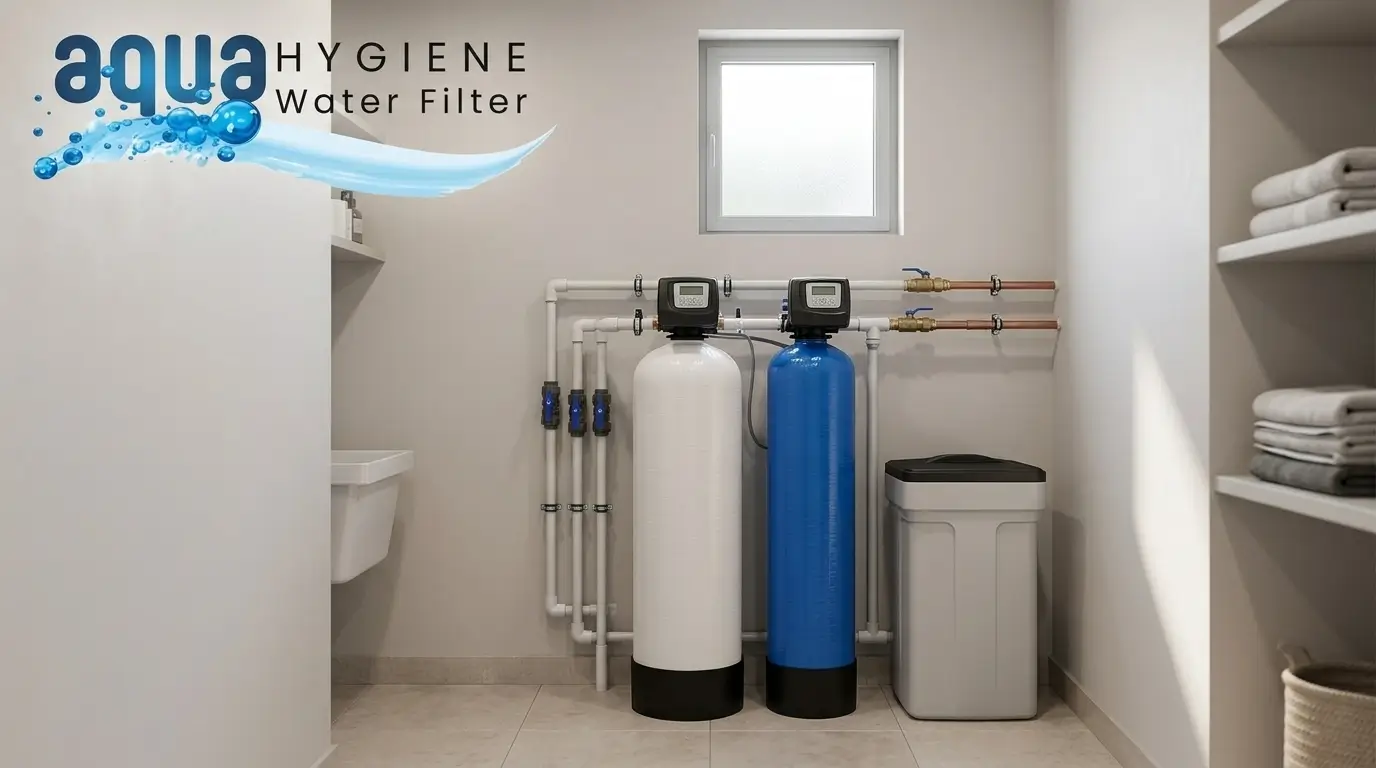
A whole house filtration system will treat the water from your kitchen, bathroom and laundry all in one pass, if you prefer to treat all taps in your home, not just one filter jug.
Whatever you choose, stick to the manufacturer's maintenance schedule. A filter that's overdue for a cartridge change stops doing its job properly, even if the water still looks clear.

Purified water gives you a real edge over both untreated tap water and bottled water: fewer contaminants, less plastic waste, and water that's genuinely more pleasant to drink every day. Bottled water might feel convenient, but the environmental cost and the microplastic question make it a weaker long-term choice. In the long run, the more sensible choice would be to use a home filtration system, which is the appropriate size for your actual water quality. If you're not sure which setup fits your home, get in touch with Aqua Hygiene and we'll help you figure out the right fit.