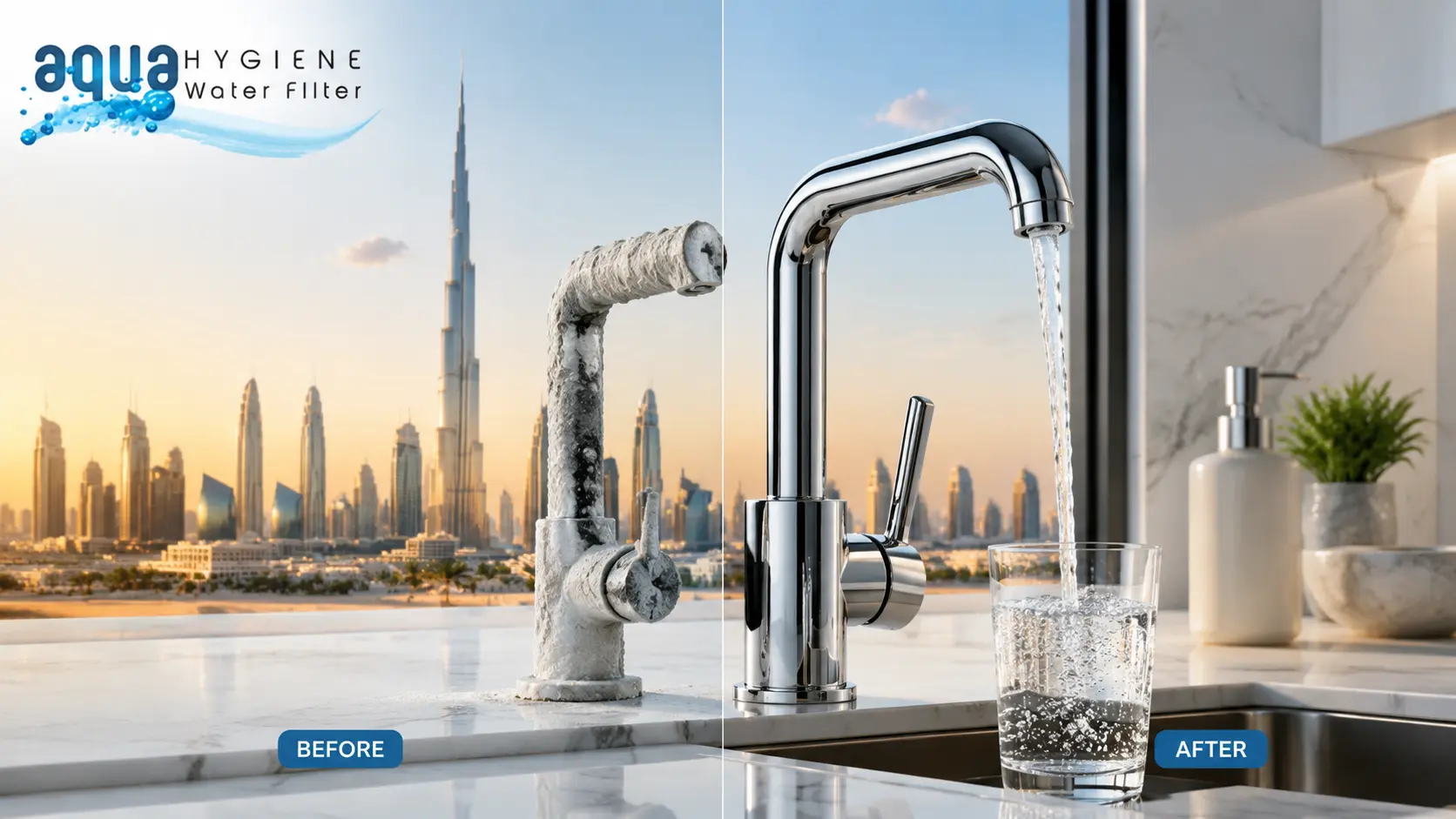
Get Free Consultation!
We are ready to answer right now! Sign up for a free consultation.
I consent to the processing of personal data and agree with the user agreement and privacy policy

We are ready to answer right now! Sign up for a free consultation.
I consent to the processing of personal data and agree with the user agreement and privacy policy
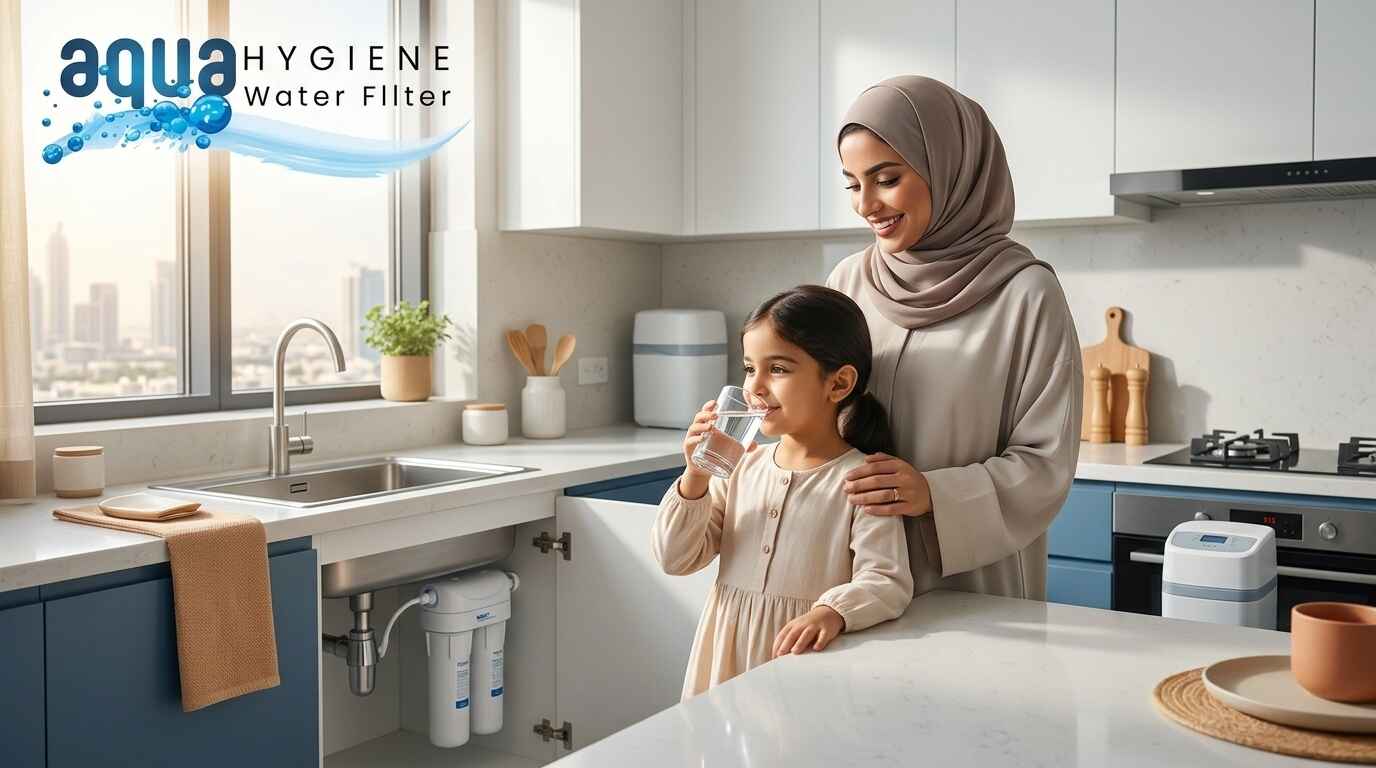
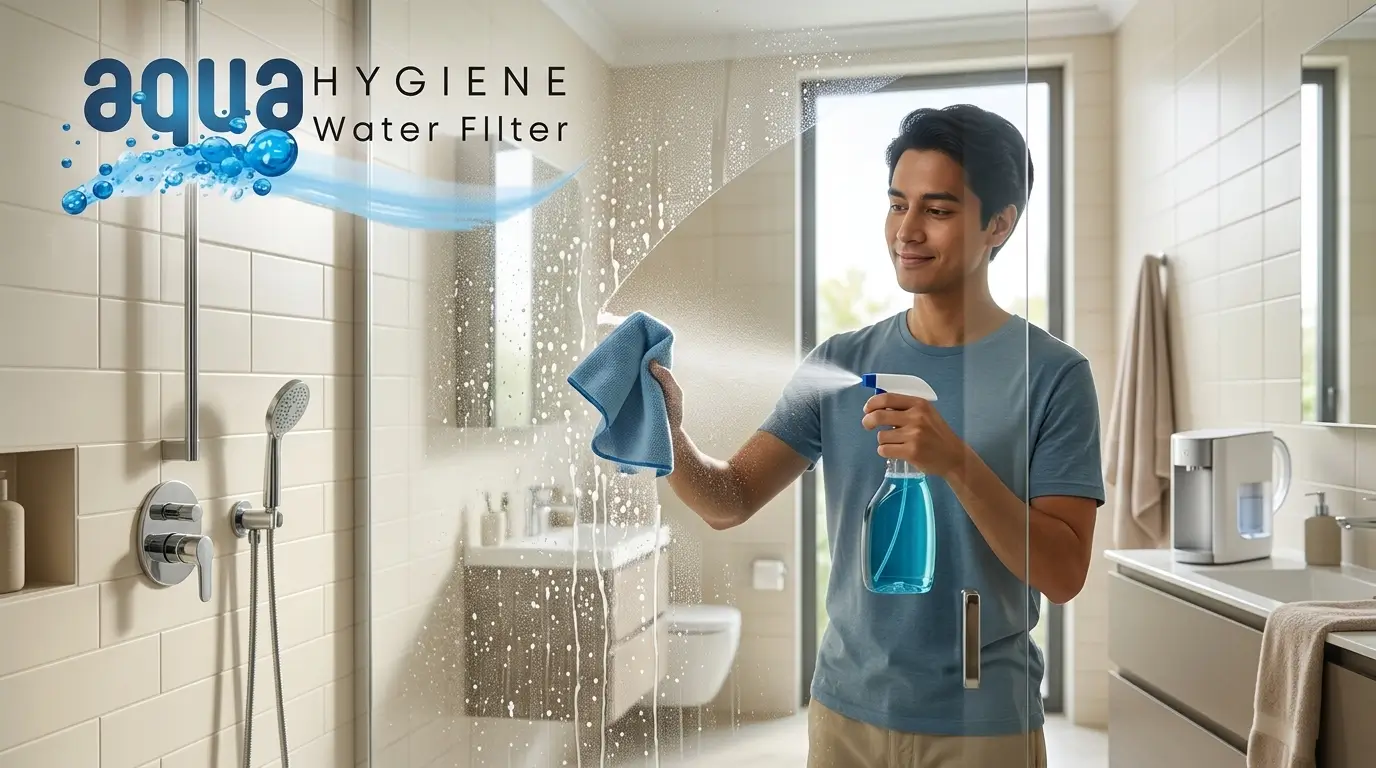
If you are a homeowner who has experienced hard water in your home, you know the frustration. It leaves spots on your dishes, soap scum on your shower doors, and can shorten the life of your water heater and other appliances. A water softener is designed to solve just this issue.
By removing the minerals that cause water hardness, a whole house water softener can save you from early appliance repairs and hours of scrubbing scale off fixtures. Among those who live in the UAE, the use of hard water is widespread, so many homeowners feel a softener is a worthwhile investment to reduce maintenance and save their home. If you are unsure if your water requires treatment, Aqua Hygiene will test your water and recommend the appropriate solution.
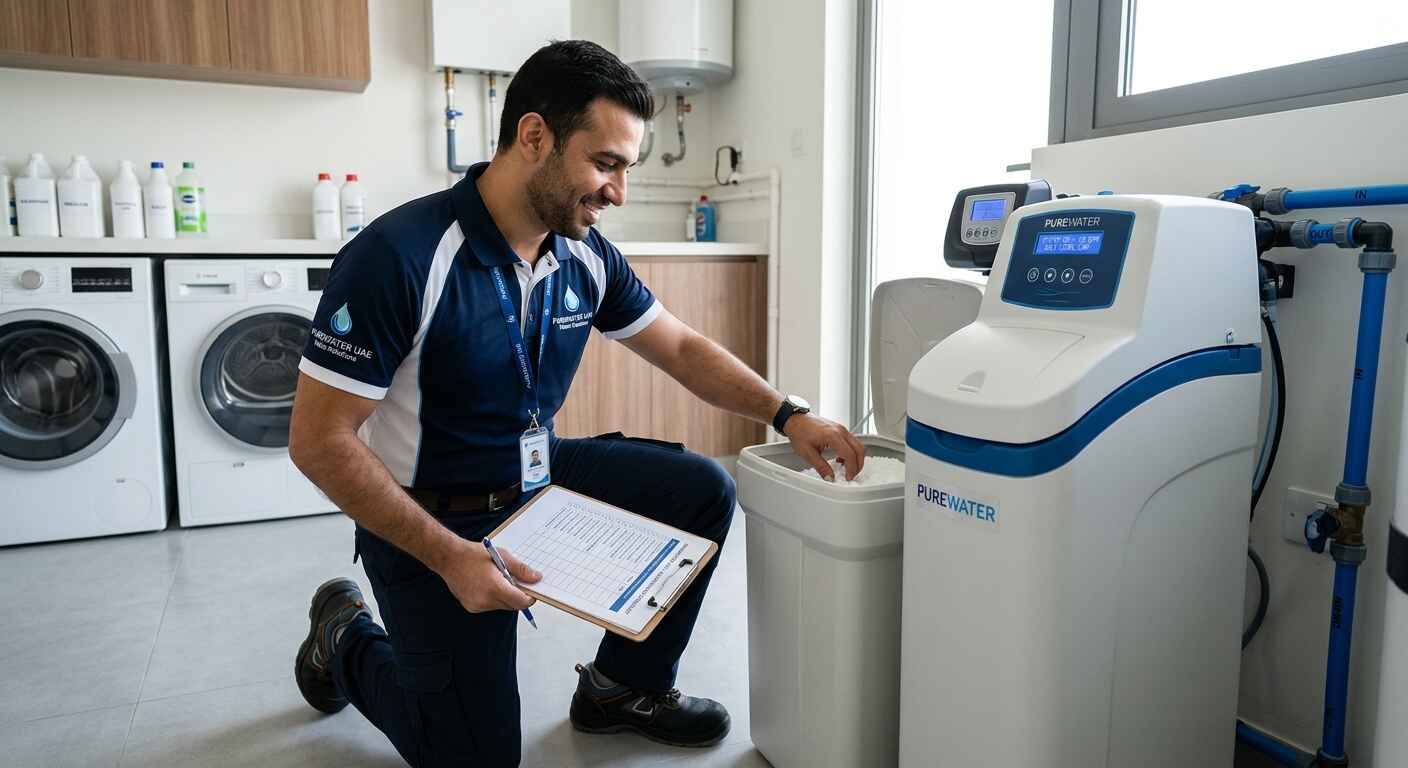
A water softener is an appliance that treats hard water. Hard water contains high levels of calcium and magnesium, and over time these minerals can clog pipes, build up scale on fixtures, and wear down water heaters, dishwashers and other appliances.
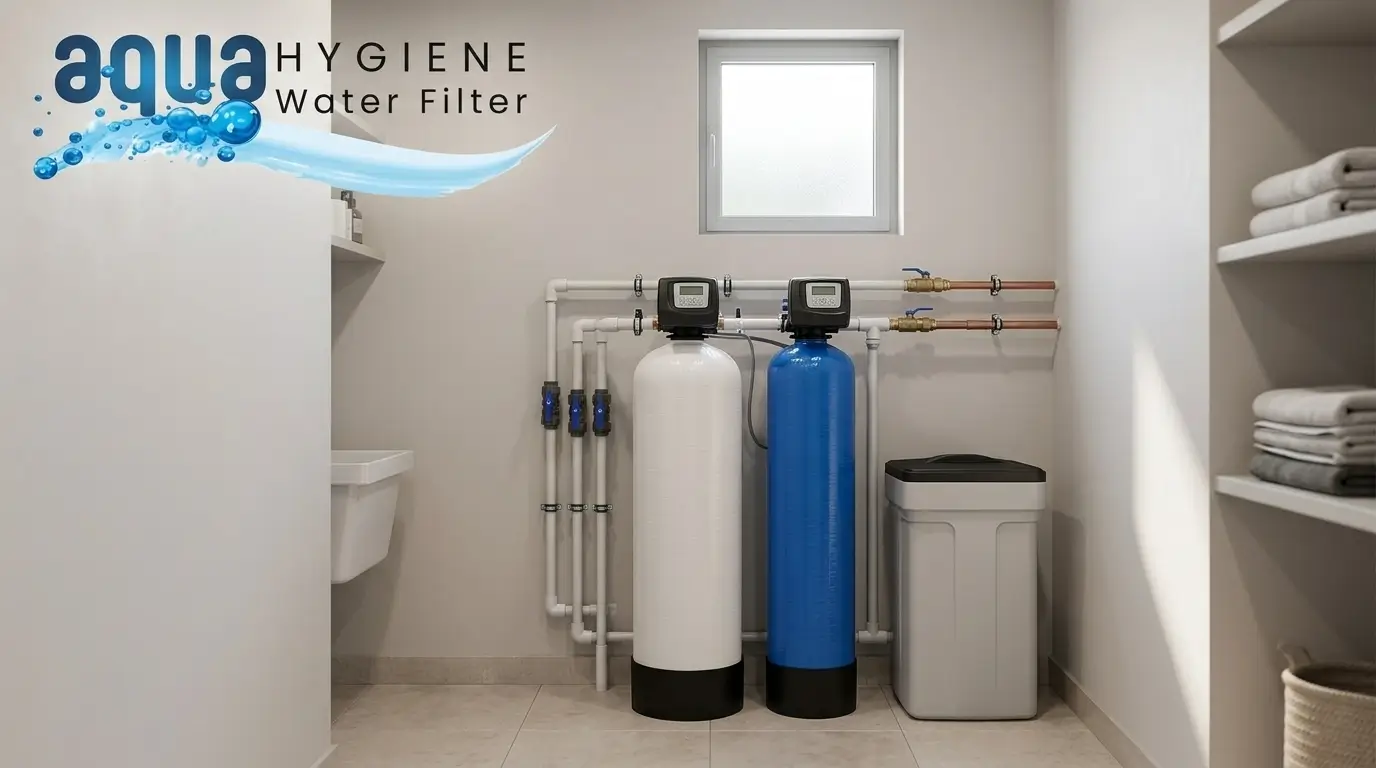
A typical water softener has three main parts:
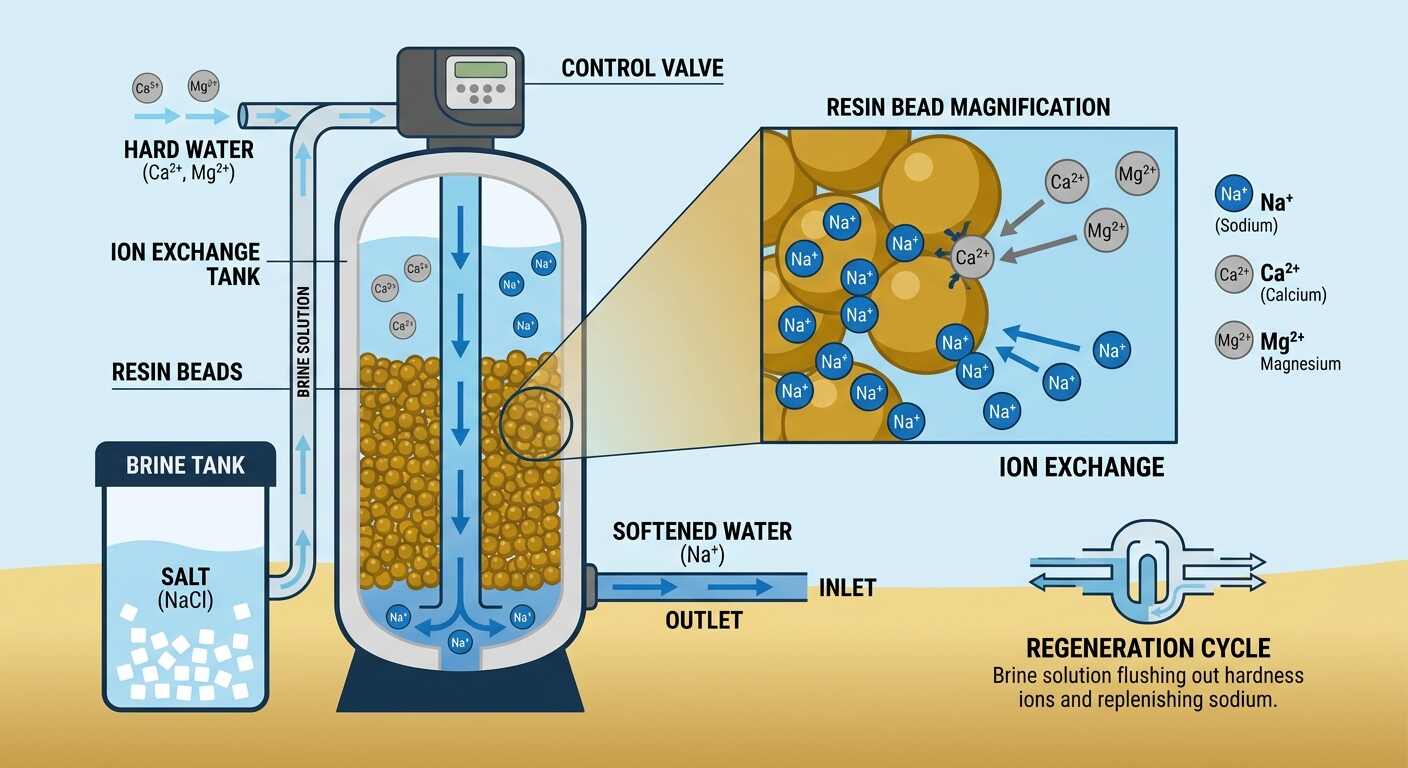
A water softener performs an exchange process called "ion exchange. It removes the hardness minerals from your water and replaces them with sodium ions. The process is as follows:
Regeneration uses a fair amount of water, since some of it drains away along with the leftover brine. How often this happens depends on your water hardness and how much water your household uses day to day.
Not every softener looks the same. Some combine the brine tank and resin tank into a single unit, while others keep them separate. The underlying ion exchange process stays the same either way.
Yes. Soft water is simply water with lower mineral content, and it is generally considered safe to drink. Taste is really the main difference people notice, and preference comes down to what you're used to. Some people prefer the taste of hard water, others prefer soft.
If you have specific health concerns, particularly around sodium intake, it's worth talking to your doctor, since softened water does carry more sodium than untreated hard water (more on that below).
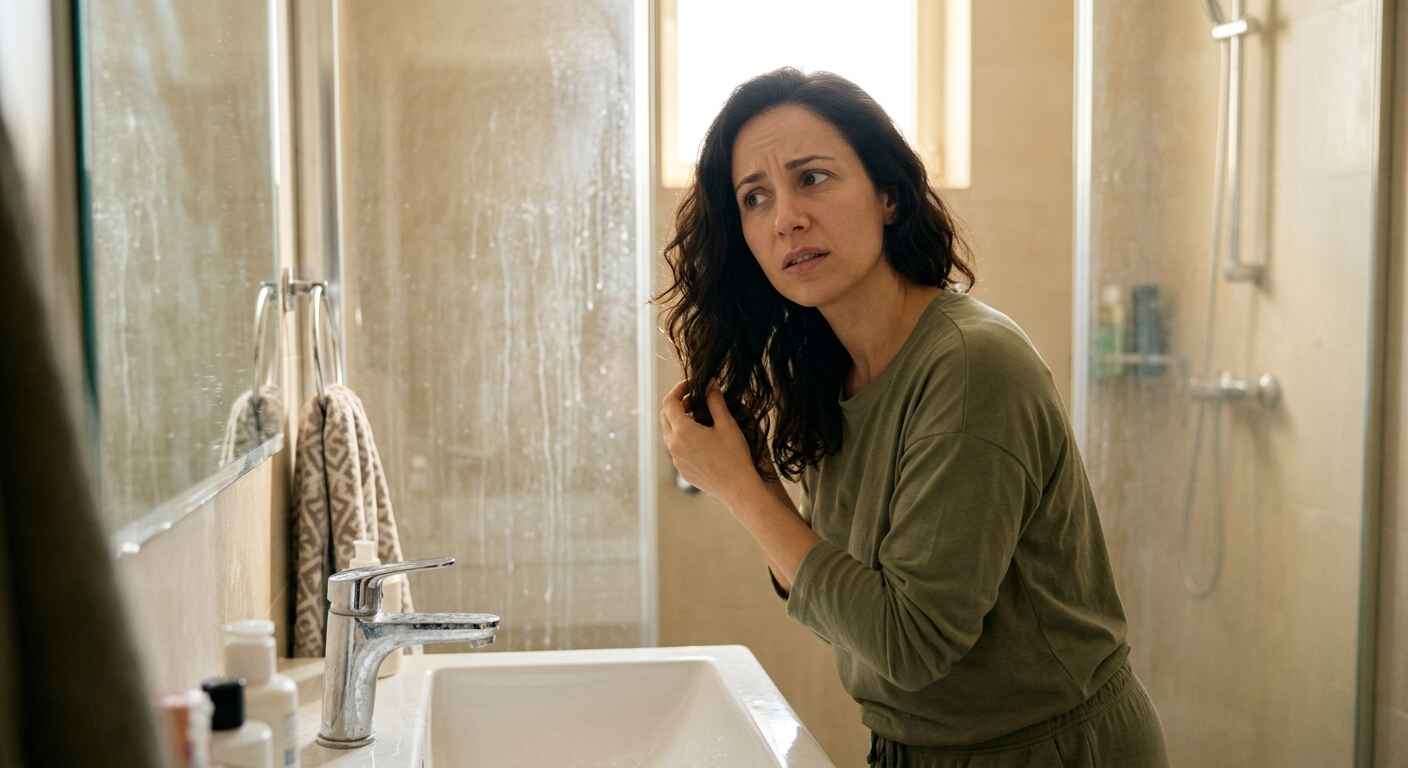
A few signs point to hard water being a problem in your home:
If several of these sound familiar, a water softener is worth considering. It removes the calcium and magnesium responsible for all of the above, which typically means better lather when you bathe, softer laundry, less scale on fixtures, and less strain on your plumbing and appliances over time.
A water softener isn't without trade-offs:
The ion exchange process trades calcium and magnesium for sodium, so softened water contains more sodium than it did before treatment. For most people this is a small amount, but if you're on a low-sodium diet or managing a condition like high blood pressure, it's worth discussing with your doctor and considering a potassium chloride alternative instead of salt.
Calcium and magnesium from drinking water make a small contribution to your overall intake. Removing them through softening means you're no longer getting that (admittedly minor) contribution from your tap water.
Salt-based softeners use water and salt during each regeneration cycle, and some of that brine ends up going down the drain. In areas with strict water use rules, this is a real consideration.
You'll need to keep the brine tank stocked with salt or potassium chloride pellets, and periodically check or replace the resin. It's not a huge amount of upkeep, but it is an ongoing cost and task.
Some municipalities restrict or ban salt-based softeners, so it's worth knowing the other options.
Water conditioners change the structure of hardness minerals so they're less likely to form scale, but they don't actually remove the minerals from the water. This means you may still notice some of the effects of hard water on laundry and dishes, even if scale buildup improves.
Reverse osmosis systems can reduce hardness minerals to some degree, but they're not typically used as a whole-house softening solution. RO systems are slower, generate wastewater, and are usually sized for drinking water at a single tap rather than treating all the water entering your home.
If you're unsure which option fits your situation, a local water treatment professional can test your water and recommend what makes sense for your home. Get in touch with our team for a free consultation.

A water softener is a practical investment if hard water is causing visible problems in your home, from scale on your fixtures to appliances wearing out faster than they should. Removing calcium and magnesium can mean better lather, softer laundry and less time spent scrubbing scale.
That said, it comes with real trade-offs, mainly higher sodium content and the ongoing cost of salt and maintenance. If you're dealing with the effects of hard water, it's worth having a professional test your water and walk you through whether a softener, a conditioner, or another approach is the right fit for your home.
Ready to stop dealing with hard water? Browse our whole house water softener systems or contact Aqua Hygiene for a free consultation across Dubai and the wider UAE.